


Box Hedging Alternatives
‘Common Box’, Buxus Sempervirens
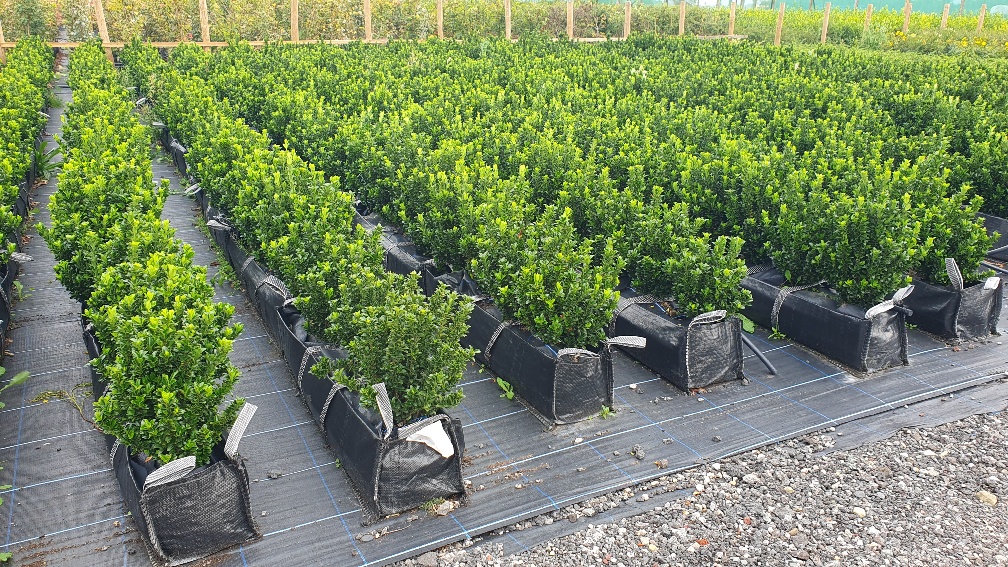
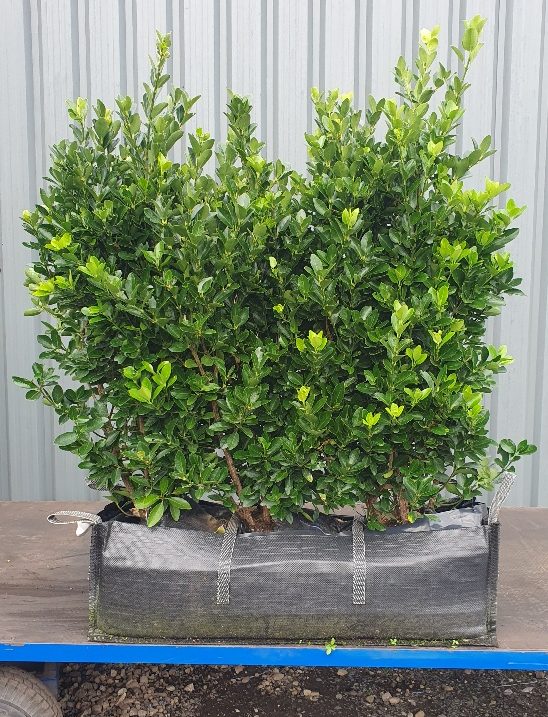
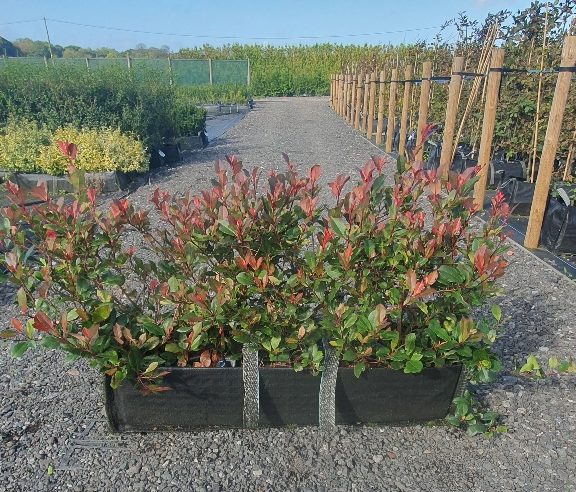
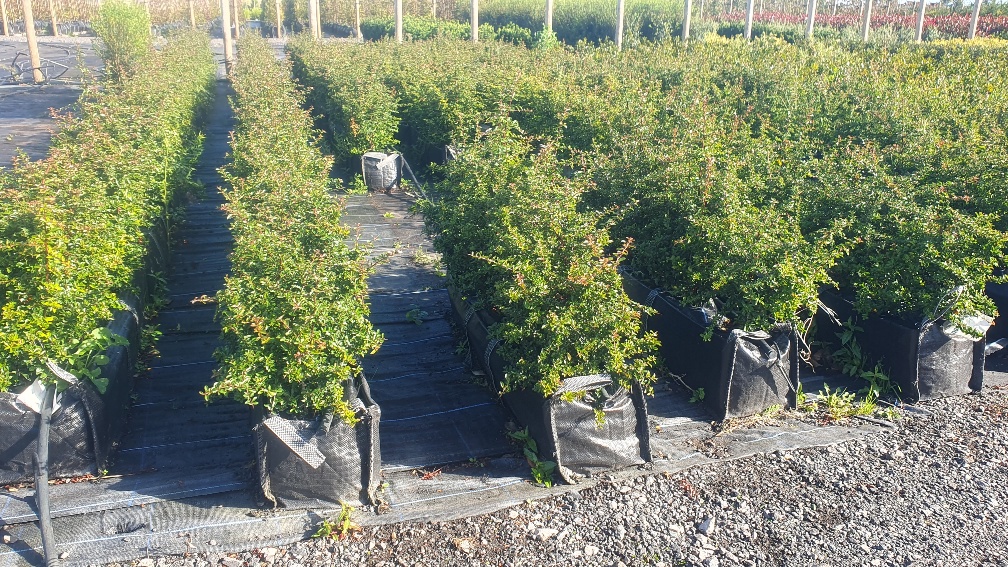
Box hedging has long been a favourite for creating crisp, formal borders, thanks to its dense evergreen foliage and ability to be tightly clipped into shape . However, in recent years many gardeners have struggled with the rise of box caterpillar and box blight, leading to widespread damage and a growing demand for reliable, low‑growing alternatives. As a result, people are actively seeking substitutes that offer the same neat, structured look without the risk. Here at Hedging UK, we offer excellent evergreen replacements such as Lonicera, Osmanthus and Euonymus all of which provide dense foliage, tidy growth and superb performance as low hedges or topiary features. Please click on the products below for more information on each species.





Why plant Box Hedging as hedge?
Box hedging plants are compact, evergreen shrubs from the Buxus genus. They have small, glossy leaves and a naturally dense growth habit, making them popular for formal borders, knot gardens, pathways, topiary and low garden dividers.
What makes Box Hedging a good hedge plant?
Box is well suited to hedging because it remains evergreen throughout the year, responds well to regular trimming and can be maintained at a wide range of heights. Its small leaves also create a neat, finely textured appearance.
Is Box Hedging an Evergreen Hedging Plant?
Yes, the Box hedging is an evergreen shrub, it is a classic slow growing evergreen shrug.
How fast does Box Hedging grow?
Box hedging is generally a slow- to moderate-growing plant. The growth rate depends on the variety, plant size, soil, moisture, light and general care. Although it may take time to form a mature hedge, its slower growth makes it easier to maintain in a formal shape.
How tall will Box Hedging Grow?
The most common box (Buxus sempervirens) hedge is most commonly maintained at a height between 30 cm and 1.5 m (1 to 5 feet) for formal borders, pathways, and garden dividers.
How many Box Hedge plants per metre?
We recommend box hedge planting distances – 3 – 5 plants per metre.
How do I plant Box hedging?
When planting a box hedge (Buxus sempervirens) it is a straightforward process that works best in autumn or spring when the soil is moist and temperatures are moderate. We give advice on how to plant a hedge here.
When to trim a Box Hedging hedge?
It is best to trim lightly and regularly during the growing season. Please take a look at our pruning guide.
Can you hard prune a Box Hedge?
Yes, you can cut a box (Buxus) hedge back hard, as box plants tolerate severe pruning and can regrow from bare wood.
How to trim or cut a Box Hedging hedge?
Use clean, sharp shears or a suitable trimmer to remove uneven growth gradually. Trim the sides so that the base is slightly wider than the top; this allows light to reach the lower foliage and helps the hedge retain its shape. For a formal hedge, use a line or guide to achieve an even finish.
Feeding a Box Hedge?
Box generally benefits from an annual application of a balanced fertiliser in spring, particularly when it is growing in poor or shallow soil. Water the plants if the soil is dry and follow the fertiliser manufacturer’s instructions carefully.
What type of soil and conditions will a Box Hedge grow in?
Box hedging is highly versatile and will grow in almost any soil type, provided it is well-drained. They are highly adaptable evergreens that can handle a wide variety of garden settings but have a strict dislike for waterlogged ground.
Are Box hedges easy to maintain?
Historically, box hedges (Buxus sempervirens) were considered very easy to maintain in the UK, but recent pest and disease pressures have made them more high maintenance. While they are highly adaptable, slow-growing, and straightforward to prune, anyone growing boxwood in the UK today must be prepared to actively manage two major threats: box blight and the box tree caterpillar.
Do you grow Instant Box Hedges?
Yes we do right here on our nursery. Available from February 2027 set a reminder in your calendar.
What Box Hedging plants do you have for sale?
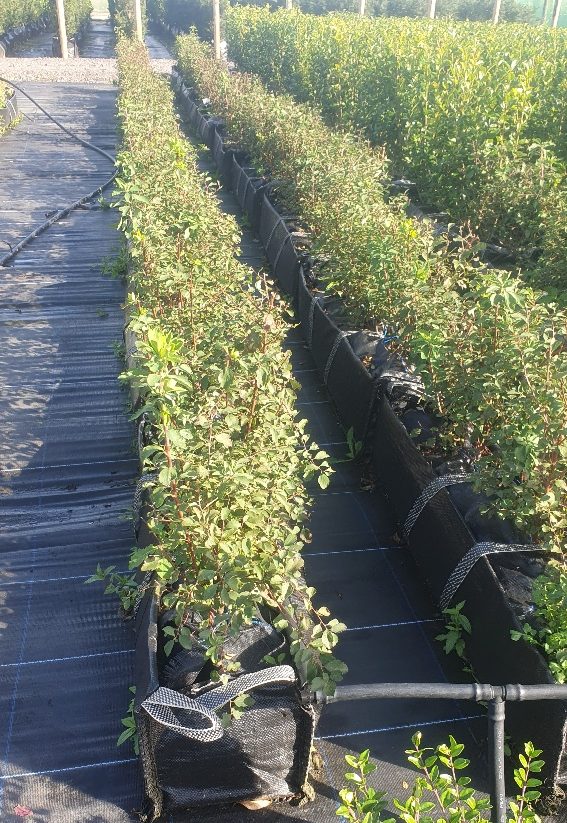
We have the following instant box hedges Emerald ‘n’ Gold, Green Spire, Emerald Gaiety and Sweet Olive.
Do you grow your own Box Hedging Plants?
Yes we do right here on our nursery. Available from February 2027 set a reminder in your calendar.
Are Box Hedging plants poisonous?
Box hedging should not be eaten. Keep cuttings away from children and pets, and seek professional advice if plant material has been consumed. Wear gloves when handling plants if you have sensitive skin.
When and how should I plant a Box Hedge?
The best time to plant is between October and April when the soil is workable and moist, avoiding periods when the ground is frozen or waterlogged.
Growing Advice
- Box Hedge Planting Distances – 3 – 5 plants per metre
- Evergreen Shrub
- Features: Great for topiary and close clipped low hedges
- Likes full sun or partial shade
- Soil preference: Any soil (except very dry or waterlogged)
- Unsuitable for: Very exposed windy sites or Waterlogged soils
- Average Growth rate: Slow – 10 – 15cm per annum (Sempervirens, Common Box)
- Trimming: Spring and Summer
- Also consider – Ilex crenata hedging / Japanese Holly