


Pyracantha Hedging Plants
Firethorn Hedges
Pyracantha coccinea, commonly known as firethorn, is a remarkable and versatile shrub that has gained popularity as a captivating hedging plant option. With its dazzling display of vibrant berries and thorn-covered branches, Pyracantha hedging adds a unique blend of beauty and practicality to landscapes, making it a favoured choice among gardeners and landscapers.
The Pyracantha coccinea, or firethorn, is renowned for its brilliant clusters of berries that adorn its branches. These berries come in a range of colours, including fiery red, vibrant orange, and bright yellow, adding a burst of colour to the outdoor environment. This stunning display is particularly prominent during the Autumn and Winter months, making it a focal point in gardens even when other plants may be dormant.
One of the distinguishing features of firethorn hedging is its thorn-covered branches. These thorns serve as a natural deterrent, providing an added layer of security to properties. When planted as a hedge, the thorny barrier created by Pyracantha coccinea serves as an effective deterrent against unwanted intruders, both human and animal, while also offering protection for nesting birds.
In addition to its aesthetic and security benefits, Pyracantha hedging is valued for its ability to withstand adverse conditions. This hardy shrub is known for its resilience against drought and poor soil, making it suitable for a variety of environments. Its adaptable nature and low-maintenance requirements make it an ideal choice for those seeking an attractive yet hassle-free hedging solution.
When establishing Pyracantha hedging, proper planting techniques are crucial to ensure healthy growth. Providing well-draining soil and adequate sunlight will contribute to the overall vitality of the hedge. Regular pruning and maintenance, including removal of dead wood and shaping, will help maintain the desired form and promote new growth.
While Pyracantha coccinea is a stunning addition to any landscape, it’s important to note that its thorns can be sharp and potentially hazardous. Care should be taken during pruning and maintenance activities to avoid injury. Wearing protective gloves, goggles and clothing can help mitigate the risks associated with the thorny branches.
In conclusion, Pyracantha hedging, featuring the Pyracantha coccinea or firethorn shrub, offers a striking combination of visual appeal, security, and resilience. Its vibrant berries and thorn-covered branches create a captivating display that enlivens gardens throughout the year. As a natural deterrent and a hardy shrub, firethorn hedging is a versatile choice that can enhance the beauty and functionality of outdoor spaces, providing both aesthetic pleasure and practical benefits.
Why plant Pyracantha as hedge?
It is a great hedge for security as its dense, spiny branches with long, sharp thorns create an intruder-proof living fence that deters people and pets. It is an evergreen shrub, meaning it keeps its glossy green leaves all winter long to maintain garden privacy and structure. It looks good all year round in spring it produces clusters of creamy-white, fragrant flowers. Then in autumn and winter develops vibrant red, orange, or yellow berries that last for months. When grown directly against a wall or fence, the thick growth can help insulate a property and keep it cooler in summer.
What makes Pyracantha a good hedge plant?
Pyracantha makes a good hedge because its dense, evergreen growth provides year-round screening. Its sharp thorns create an effective barrier and can improve garden security. The white flowers in spring are followed by colourful berries that provide seasonal interest. It also offers food and shelter for wildlife and can tolerate urban conditions
Is Pyracantha an Evergreen Hedging Plant?
Yes, the pyracantha is an evergreen shrub, meaning it keeps its glossy green leaves all winter long to maintain garden privacy and structure.
How fast does Pyracantha grow?
It is a great hedge for security as its dense, spiny branches with long, sharp thorns create an intruder-proof living fence that deters people and pets. It is an evergreen shrub, meaning it keeps its glossy green leaves all winter long to maintain garden privacy and structure. It looks good all year round in spring it produces clusters of creamy-white, fragrant flowers. Then in autumn and winter develops vibrant red, orange, or yellow berries that last for months. When grown directly against a wall or fence, the thick growth can help insulate a property and keep it cooler in summer.
What makes Pyracantha a good hedge plant?
Pyracantha makes a good hedge because its dense, evergreen growth provides year-round screening. Its sharp thorns create an effective barrier and can improve garden security. The white flowers in spring are followed by colourful berries that provide seasonal interest. It also offers food and shelter for wildlife and can tolerate urban conditions
Is Pyracantha an Evergreen Hedging Plant?
Yes, the pyracantha is an evergreen shrub, meaning it keeps its glossy green leaves all winter long to maintain garden privacy and structure.
Pyracantha is generally fast-growing once established and can produce approximately 30–60 centimetres of growth in a year in suitable conditions
How tall will Pyracantha Hedging Grow?
Depending on the variety and how it is trained, pyracantha can grow from around 1.5 metres to more than 4 metres tall and wide.
How many Pyracantha Hedge plants per metre?
The spacing depends on the variety and the intended use, but plants are commonly spaced about 60–120 centimetres apart for a hedge. We would recommend 2-5 plants per metre of pyracantha (firethorn), depending on the size of the plants and how fast you want the hedge to fill out.
How do I plant Pyracantha hedging?
Most of the Hedging plants that we sell will require the same planting procedures. We give advice on how to plant a hedge here.
When to trim a Pyracantha hedge?
The best time is late spring or early summer, immediately after flowering. You can trim unwanted or overlong shoots back to a suitable side branch, keeping the hedge slightly wider at the base than at the top. Please take a look at our pruning guide.
Can you hard prune a Pyracanthea hedge?
Yes you can hard prune Pyracantha because the plant is very resilient and will regenerate well from old wood. The best timing is late winter or early spring (before active growth starts, around March) is the ideal time for hard pruning. Avoid hard pruning in autumn or late summer, as it exposes fresh cuts to cold damage and removes the wood that produces the next season’s flowers and berries. Check the hedge for nesting birds before you start cutting.
How to trim or cut a Pyracantha hedge?
We recommend you use sharp, clean secateurs for small branches, loppers for thicker growth and long-handled shears for light hedge trimming.
Feeding a Pyracantha hedge?
Pyracantha hedges generally do not require heavy or regular feeding as they are highly resilient and adapt well to most soil conditions. However, targeted routine application can significantly boost flower production, resulting in an abundance of vibrant autumn berries.
What type of soil and conditions will a Pyracantha hedge grow in?
Ideally a deep loam, sandy loam, or general garden soil is perfect for growth. In terms of drainage pyracantha handles dry, free-draining soils and heavy clay well, as long as the ground does not become waterlogged or boggy. Pyracantha loves sunlight and if you can plant in full sun or partial shade. The more sunlight leads to better flowers and brighter berries; deep shade reduces fruit. When planting dig in some well-rotted garden compost or organic matter before planting to give young plants a good start.
Are Pyracantha hedges easy to maintain?
Pyracantha hedges are relatively low maintenance once established, though managing them requires care because of their dense growth and sharp thorns. If pyracantha is neglected it can tolerate hard, heavy pruning down to old wood and reliably bounces back.
Do you grow Instant Pyracantha Hedges?
Yes we do right here on our nursery. Available from February 2027 set a reminder in your calendar.
What Pyracantha hedging plants do you have for sale?
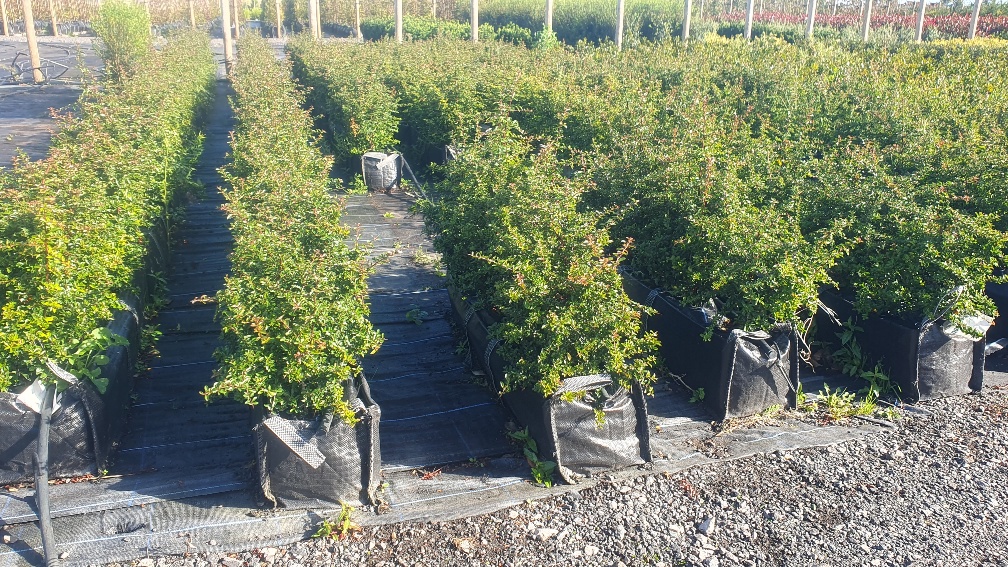
We grow a range of sizes of pyracantha hedging plants for sale here on the nursery.
Do you grow your own Pyracantha hedging Plants?
All the Pyracanthat hedging plants that we sell are grown outside here on our nursery in Holmeswood, Lancashire producing robust plants that are quick to establish.
Are Pyracantha Hedging plants poisonous?
The Pyracantha plants that we grow and sell for hedging on the nursery have no reported toxicity to humans, do not allow pets to eat the berries or plant material. The thorns can cause painful scratches and puncture wounds. It’s best to take care when pruning or working near the plant.
When and how should I plant a Pyracantha Hedge?
The best time is usually autumn or spring, when the soil is moist and the plant has time to establish before extreme weather.
Growing Advice
- Pyracantha Hedge Planting Distances – Single row- 3 plants per metre
- Evergreen Shrub – Mid Green leaves, White flowers, berries
- Features: White flowers, Red, Yellow or Orange Berries, Great for a security hedge
- Likes full sun or partial shade. If these conditions are not available, a Golden privet is a good alternative
- Soil Preference: Moist, well drained soils
- Unsuitable for: Waterlogged soils
- Average Growth rate: Medium / Fast 40 – 60cm per annum
- Trimming: Late summer