
Box Hedging a history, background and alternatives
Box Hedging a brief history, background and alternatives.

History and Background
Box hedging (Buxus sempervirens) has been the backbone of formal garden design for thousands of years, prized for its dense, glossy evergreen foliage and unparalleled ability to hold clean, crisply clipped shapes.
- Ancient Origins: Box hedging was used extensively in ancient Roman gardens to frame pathways, create geometric designs, and shape into topiary.
- Revival Periods: Box hedging experienced major revivals during the Renaissance in Italy and later in 17th-century French formal gardens (such as Versailles), as well as in Victorian and Edwardian estates in the UK.
- Growth and Qualities: Buxus sempervirens is prized for its small dark-green leaves, dense growth habit, shade tolerance, and ability to be clipped tightly into sharp, formal lines.
Beating the Two Big Threats: Blight and Caterpillars
In recent years, UK gardeners have had to work a bit harder to protect their Buxus from two issues which are box blight and the box tree caterpillar. Here is how to keep them at bay:
- Box Blight
This fungal disease causes brown leaves and black stems, quickly leaving bare patches.
- Prevention: Always trim your hedge when the weather is dry to stop fungal spores from spreading. Clear away clippings immediately.
- Treatment: Improve airflow around the hedge and use copper-based or specialist antifungal treatments to help infected plants recover.
- Box Tree Caterpillar
The larvae of the box tree moth can skeletonise a hedge within days.
- Prevention: Look for telltale fine webbing inside the hedge from April onwards.
- Treatment: Hand-pick caterpillars off if you catch them early or use a biological control spray containing Bacillus thuringiensis (Bt), which targets the caterpillars without harming other garden wildlife.
Our Top Alternatives to Box Hedging
Are you looking to replace an existing damaged box hedge, or plan a new low-border design?
Because sustainable treatment for widespread box tree caterpillar and blight infestations is difficult and can require the use of chemicals. At Hedging UK we recommend resilient evergreen substitutes:
- Taxus baccata (English Yew): Widely considered the gold standard replacement for formal hedges and topiary. It is native, handles hard pruning into old wood remarkably well, and is not targeted by box tree caterpillars.

- Euonymus japonicus (Green Spire): A compact, slow-growing, glossy-leaved shrub that resists blight, tolerates coastal wind or salt, and holds a crisp shape.
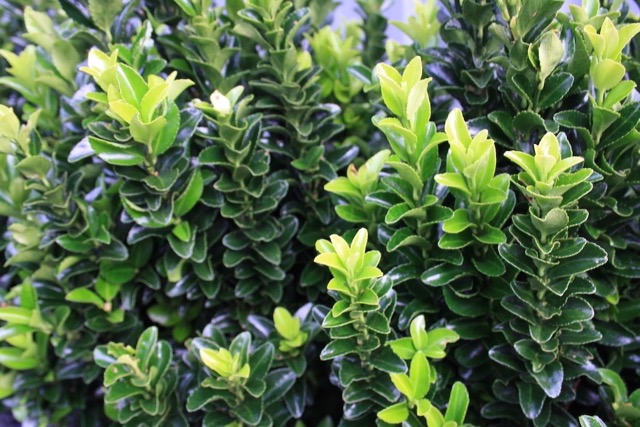
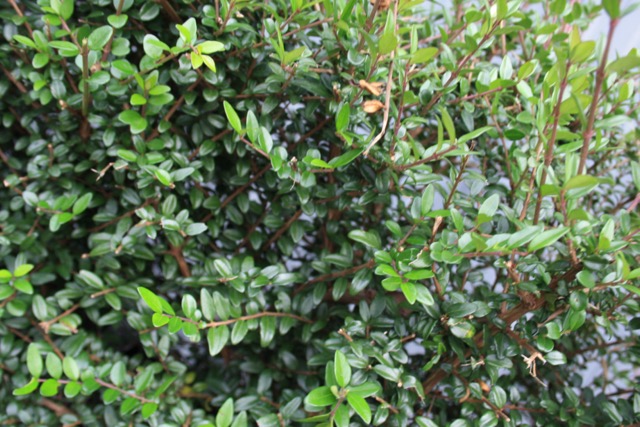
- Lonicera nitida (Box-Leaf Honeysuckle): A fast-filling, small-leaved green shrub that creates neat low hedges and responds well to frequent clipping.
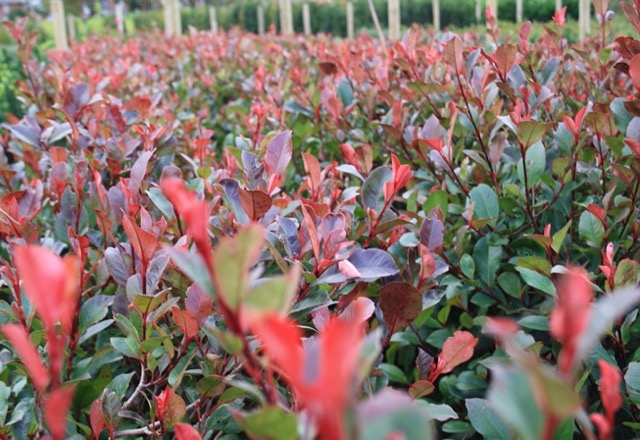
- Photinia (Little Red Robin): is a compact evergreen shrub famous for its vibrant, bright red new spring foliage, it is a low maintenance hedge with is easy to shape and prune.
- Euonymus fortunei emerald ‘n’ gold: is an excellent Box (Buxus) alternative for low hedges, a dwarf evergreen shrub of spreading habit, with broadly yellow-margined leaves, tinged pink in winter.
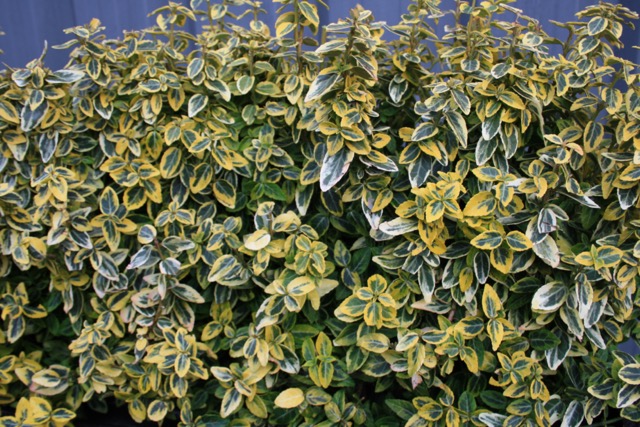
- Pyracantha coccinea: commonly known as firethorn, is a remarkable and versatile shrub that has gained popularity as a captivating hedging plant option. With its dazzling display of vibrant berries and thorn-covered branches, pyracantha hedging adds a unique blend of beauty and practicality to landscapes.
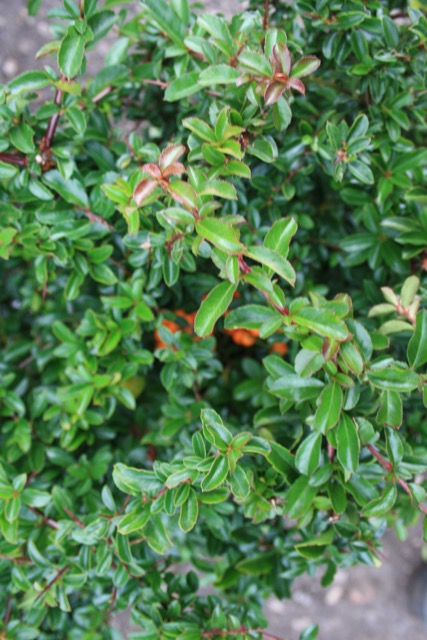
- Euonymus fortunei Emerald Gaiety (Fortunes Spindle): A dwarf evergreen shrub of spreading habit, with broadly yellow-margined leaves, tinged pink in winter; occasionally produces a few small, inconspicuous greenish flowers, it’s an excellent alternative to box for low borders and edging plants.
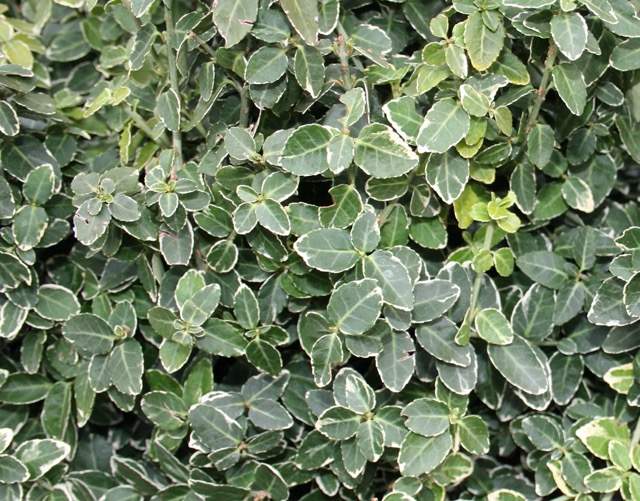
- Hypericum Hidcote (St John’s Wort): a tough, semi-evergreen shrub that makes a fantastic low to medium informal hedge. It grows to roughly 1.2 to 1.5 meters tall and produces masses of cup-shaped, golden-yellow flowers with bold stamens from midsummer through autumn. This adaptable plant thrives in full sun or partial shade, tolerates most well-drained soils.
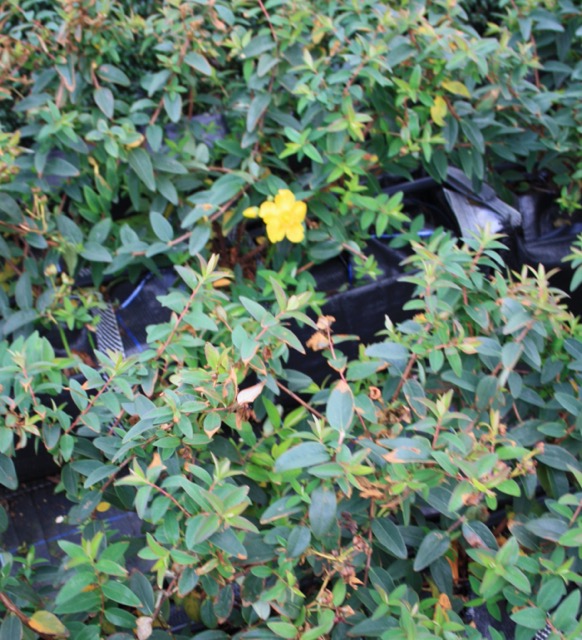
We hope you find these alternatives helpfulave created a page with all the alternatives in one place. If you require further assistance, we would be pleased to provide additional support to help you make the most appropriate choice for managing a damaged hedge or establishing a new one.