


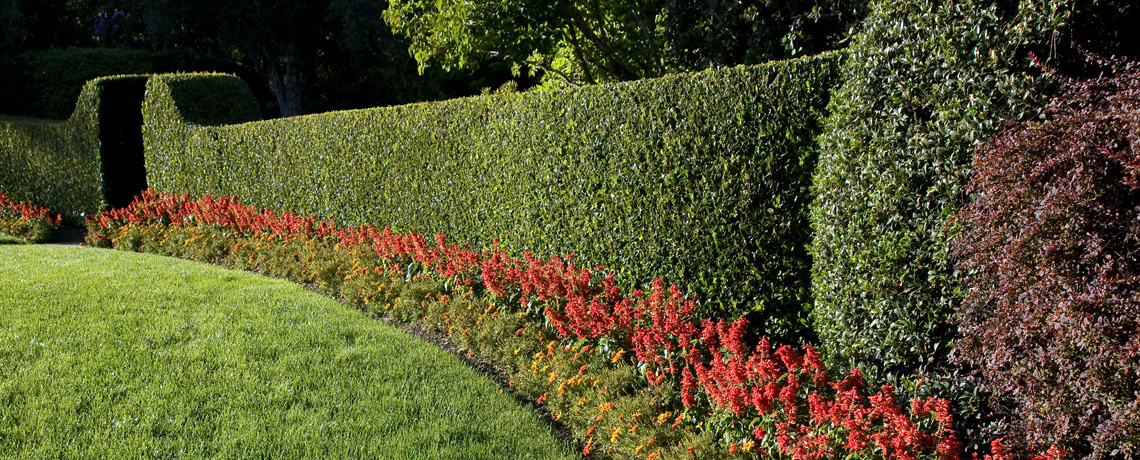


Holly Hedging Plants
Ilex aquifolium, Common Holly Hedge
In the world of hedging, the resplendent charm of the holly hedge, scientifically known as Ilex aquifolium or English Holly, is a perennial favourite that has stood the test of time. With its iconic glossy leaves, vibrant berries, and enduring symbolism, the English Holly hedge is a beloved choice for both ornamental and functional landscaping, adding a touch of enchantment to outdoor spaces. Ilex aquifolium, native to Europe and parts of Asia, is renowned for its distinctive features that set it apart as a quintessential hedging plant. For more information about Holly Hedging plants please scroll further down the page.
About our Holly hedging.
Holly hedging (Ilex aquifolium) is a dense, slow-to-moderate growing evergreen plant prized for year-round privacy, security, and bright winter berries. It provides year-round structure, privacy and shelter, while its glossy leaves and bright berries add seasonal interest.
Why Plant Holly as a Hedge?
Yes. Holly is well suited to formal and informal hedges. It is hardy, long-lived and tolerant of a range of conditions, including shade. Its dense growth makes it useful for privacy, screening and defining garden boundaries.
Are Holly an Evergreen Hedging Plants?
Most commonly grown holly varieties are evergreen, so they retain their leaves throughout the year. This makes holly a useful choice where consistent screening is required in every season.
How fast does Holly Hedging grow?
Holly is generally a moderate-growing plant. Once established, it may produce around 20–30 centimetres of growth per year, although the rate depends on the variety, soil, light levels, moisture and aftercare.
How Tall will Holly Hedging Grow?
Without regular pruning, holly can grow into a substantial shrub or small tree. The final height of a hedge depends on the variety and growing conditions, but regular trimming can maintain it at almost any practical garden height.
How many Holly hedge plants per metre?
Spacing depends on the size of the plants and the desired density of the hedge. As a general guide, plants may be spaced approximately 30–45 centimetres apart for a dense hedge. Larger plants may require wider spacing. Always check the planting recommendations for the chosen variety.
How do I plant Holly hedging?
To plant a holly (Ilex aquifolium) hedge, dig a trench or individual holes in well-drained soil during autumn, winter, or spring, position the plants at their previous growing depth, and firm the soil around them. Click the link for advice.
When to trim a Holly hedge?
Established hedges are commonly trimmed in late spring or early summer, with a further light trim if required. Avoid cutting into old, bare wood unless necessary, as holly may regenerate slowly from heavily pruned branches.
Can you hard prune a Holly hedge?
We recommend that you prune holly lightly to maintain the desired shape and encourage dense growth. Once you have an established hedge they are commonly trimmed in late spring or early summer, with a further light trim if required. Avoid cutting into old, bare wood unless necessary, as holly may regenerate slowly from heavily pruned branches.
How to trim or cut a Holly hedge?
When to trim or cut a holly hedge, prune formal hedges 1 to 3 times during the growing season (spring and summer) and informal hedges once a year, while timing heavy or hard pruning for late winter or early spring (around late February to March).
Feeding a Holly hedge?
We recommend with new hedges that you feed lightly or top-dress with organic matter for the first couple of years to help roots settle. With established hedges often only need an annual spring top-dress if the soil is healthy.
What type of soil and conditions will a Holly hedge grow in?
Holly is very adaptable—happy in sun or full shade, and grows well in clay, loam, sand, or chalk soils, as long as they are not waterlogged.
Are Holly hedges easy to maintain?
Holly is a low-maintenance hedge once established. Water during dry spells in the first couple of years and mulch in spring to conserve moisture.
Do you grow Instant Holly Hedges?
We do grow Instant Holly hedges here on the nursery.
What Holly hedging plants do you have for sale?
We grow a range of sizes of Holly hedging plants for sale here on the nursery. The instant hedges come in 1 metre lengths but do require 2 strong people to lift them.
Do you grow your own Holly hedging Plants?
All the Holly hedging plants that we sell are grown outside here on our nursery in Holmeswood, Lancashire producing robust plants that are quick to establish.
Are Holly hedging plants poisonous?
Yes, holly hedging plants (Ilex species) are toxic to humans, cats, dogs, and horses if swallowed. The berries: Contain compounds called saponins that cause stomach upset. Eating just 5 to 10 berries can make a small dog or child very sick. Because the berries taste bitter, accidental eating is rare. The plant itself is not poisonous to touch, though the sharp, spiny leaves can scratch your skin.
Growing Advice
- Holly Hedge Planting Distances – Single row- 2 – 3 plants per metre
- Evergreen Shrub – Dark Green prickly leaves – Red Berries
- Features: Red Berries, Great for a formal security hedge
- Likes full sun or partial shade
- Soil Preference: any soil (except waterlogged)
- Unsuitable for: Waterlogged soils
- Average Growth rate: Slow 10 – 15cm per annum
- Trimming: Late summer
All our Holly hedging plants are container grown and will have a fully intact and undisturbed root system. They will establish quicker than root-balled plants with fewer losses as there has been no disturbance to the root system.
Further Info
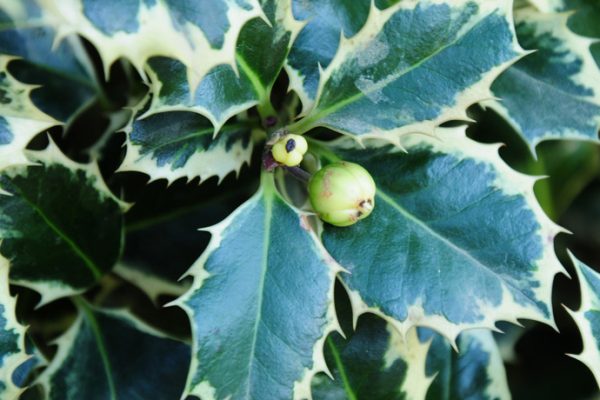
The most striking characteristic of the English Holly is its leathery, glossy leaves, which boast a dark green hue and are adorned with spine-like serrations. These leaves create a visually appealing backdrop throughout the year, lending an evergreen charm that is especially appreciated during the winter months.
One of the English Holly’s most enchanting attributes is its vibrant red berries. Adorning the branches in late autumn and persisting through winter, these berries not only provide a pop of colour but also serve as a valuable food source for wildlife. The sight of a holly hedge adorned with these festive berries can evoke a sense of seasonal joy, making it a popular choice for holiday-themed landscapes.
Beyond its aesthetic appeal, Ilex aquifolium serves various functional purposes that make it a versatile hedging option. Due to its dense growth and prickly leaves, the English Holly hedge acts as an effective deterrent, providing a natural barrier that enhances privacy and security. This characteristic has made it a favoured choice for defining property boundaries and safeguarding gardens.
Establishing and maintaining an English Holly hedge requires attention and proper care. When planting, selecting well-established plants with a strong root system is essential for ensuring healthy growth. Adequate spacing between the plants allows for proper air circulation, reducing the risk of disease. Pruning, typically performed in late spring or early summer, helps maintain the desired shape and encourages bushier growth.
It is worth noting that the English Holly hedge requires both male and female plants for berry production.
In conclusion, the holly hedge, specifically Ilex aquifolium or English Holly, remains a timeless and captivating choice for hedging. Its glossy leaves, vibrant berries, and functional benefits make it a cherished addition to landscapes, lending a touch of elegance and natural beauty. Whether used to define boundaries, enhance privacy, or add seasonal charm, the English Holly hedge stands as a living testament to the enduring appeal of ornamental hedging in the world of gardening and landscaping.