The most common problems with privet hedges
Most privet hedge issues fall into one of three groups:
- sap-sucking pests such as aphids and scale insects
- fungal or fungus-like problems such as powdery mildew
- more serious root and stem diseases, such as honey fungus
Alongside these, there are also non-pest issues that can look similar, including drought stress, waterlogging, poor nutrition, old leaf drop and general planting stress. Yellowing, on its own, is not automatically a disease. Chlorosis and other forms of leaf yellowing can have a range of causes, including nutrient issues and natural shedding of older leaves.
Privet aphid
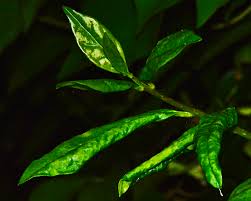
Privet aphid is one of the best-known pests affecting privet. It is found on privet throughout the year, with colonies developing on leaves in spring and often peaking in mid-summer. The usual signs are curled or distorted young leaves, clusters of aphids on the undersides of foliage and sticky honeydew on the plant. That honeydew can then lead to black sooty mould on the leaf surface.
Although privet aphid can make a hedge look untidy, it is usually more of a cosmetic issue than a serious long-term threat. We generally recommend improving overall plant health, avoiding overreaction and encouraging natural predators wherever possible. Light infestations often do not justify aggressive treatment, especially on established hedges that are otherwise growing well.
Signs of privet aphid
- curled or puckered leaves
- distorted shoot tips
- sticky foliage or surfaces below the hedge
- black sooty mould developing on honeydew
- visible green aphids on young growth
What we recommend
We suggest checking the newest growth first, because that is where aphids are usually easiest to spot. If the infestation is light, a healthy hedge will often tolerate it. Pruning out the worst-affected tips, washing down accessible growth and encouraging beneficial insects can all help. In our experience, privet usually grows through minor attacks once the main flush passes.
Scale insects
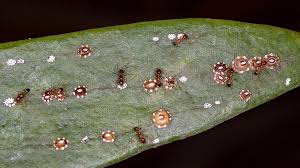
Scale insects are another sap-sucking pest that can affect woody hedging plants. They sit attached to stems or leaves beneath waxy or shell-like coverings, and because they do not move around in the obvious way aphids do, they are easy to miss at first. Some species also produce honeydew, which can lead to sticky leaves and sooty mould.
On privet, scale insects can weaken growth over time if numbers build up, particularly on a hedge that is already under stress. A light population is not always a major issue, but heavier infestations can reduce vigour and make the hedge look dull or underperforming.
Signs of scale insects
- small brown, white or shell-like bumps on stems or leaves
- sticky honeydew
- black sooty mould
- weak or patchy growth
- a general loss of vigour in affected sections
What we recommend
We usually suggest carefully checking older stems and sheltered inner growth, because scale insects can sit there unnoticed. Light infestations can often be tolerated on a healthy hedge. Where numbers are building, removing the worst-affected material and improving airflow through the hedge can help. Encouraging predators is also worthwhile, as some ladybirds, parasitoid wasps and birds feed on scale insects.
Powdery mildew
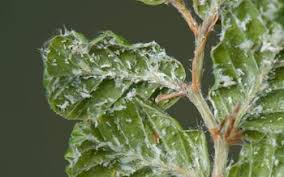
Powdery mildew is a familiar fungal problem on many garden plants. It appears as a white, dusty coating on leaves, shoots or stems and can interfere with healthy growth if it becomes severe. On privet, it is more likely to be noticed where the hedge is stressed, overcrowded or growing in dry conditions with poor air movement. Powdery mildews are a group of related fungi that affect a wide range of plants.
In our experience, powdery mildew often looks worse than it really is at first, but it is still worth addressing properly. If a privet hedge is repeatedly hit by mildew, that usually points to an underlying issue with airflow, plant stress or general growing conditions.
Signs of powdery mildew
- white dusty growth on the leaf surface
- distorted or stunted young growth
- leaves looking dull, dry or slightly curled
- repeated outbreaks in warm, dry conditions or on congested growth
What we recommend
We recommend starting with the conditions around the hedge. Thin out overcrowded growth where appropriate, avoid planting too densely, and keep the hedge healthy with proper watering in dry spells. Improving air circulation makes a real difference. Removing the worst affected shoots can also help reduce the problem and tidy up the hedge
Honey fungus
Honey fungus is the most serious problem on this list. It is a root and stem disease that can kill woody plants, including privet. If a privet hedge starts to die back for no obvious reason, especially in sections rather than evenly, honey fungus is one of the causes we would want to rule out quickly. The RHS describes it as a potentially deadly disease, and if confirmed, the effective remedy is the removal of infected roots and stump material.
This is not the sort of issue that causes a few marked leaves and then passes. Honey fungus tends to show itself through decline, dieback and failure of the root system. Warm, dry summers can increase plant stress and may make plants more susceptible to attack, which is one reason why keeping a hedge healthy overall matters so much.
Signs of honey fungus
- whole sections of hedge declining or dying back
- leaves becoming sparse, pale or unusually small
- white fungal growth beneath bark near the base in some cases
- black bootlace-like rhizomorphs around roots or in the soil
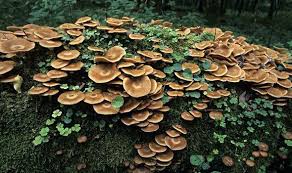
- mushrooms sometimes appearing near infected wood in autumn
What we recommend
If you strongly suspect honey fungus, we recommend acting quickly rather than hoping the hedge recovers on its own. Remove and properly dispose of infected material, including as much root as possible, and avoid replanting highly susceptible woody plants in the same spot immediately until the situation is understood. Good hygiene matters here far more than cosmetic treatment
.
Problems that are not pests or diseases
Not every struggling privet hedge has a pest or disease problem. Some of the most common issues we see are actually caused by planting depth, compacted soil, drought, waterlogging, root competition or simple neglect. Yellow leaves, for example, can be linked to chlorosis, nutrient deficiency, environmental stress or normal shedding of older foliage.
That is why we always suggest looking at the full picture:
- Is the whole hedge affected or just one section?
- Are the youngest leaves damaged first, or the oldest?
- Is the soil drying out too quickly?
- Does water sit around the roots?
- Has the hedge been clipped hard at the wrong time?
- Is the growth dense enough that air cannot move through it?
In many cases, correcting the growing conditions will do more good than treating the foliage.
How to keep privet healthier and reduce future problems
A strong privet hedge is less likely to run into serious trouble than one already under stress. We recommend focusing on the basics:
- plant in suitable, free-draining ground
- water properly during dry spells, especially while establishing
- keep the base free from heavy weed competition
- trim at the right time to avoid prolonged stress
- avoid letting the hedge become congested and airless
- inspect the hedge regularly so problems are caught early
When it comes to pests, we also suggest taking a balanced approach. Some aphids and scale insects can often be tolerated at low levels, especially when the garden supports their natural predators.
When to worry
We would be most concerned if:
- The hedge is thinning rapidly
- entire branches or sections are dying back
- growth is consistently weak year after year
- sticky deposits and black mould are widespread
- foliage distortion is severe across the hedge
- you suspect a root disease such as honey fungus
At that point, it is worth investigating properly rather than continuing with routine trimming and feeding as though nothing is wrong.
Final thoughts
Privet is generally a robust hedge plant, but it can still suffer from pests and diseases from time to time. The most likely problems are usually privet aphid, scale insects, powdery mildew or, more seriously, honey fungus. The good news is that many issues can be improved by early identification, sensible pruning, better airflow and stronger overall plant health.
When it comes to pests, we also suggest taking a balanced approach. In our experience, low levels of aphids and scale insects do not always cause serious long-term damage, particularly where the garden supports natural predators, and the hedge is otherwise healthy. Monitoring the problem and supporting overall plant health is often more effective than overreacting to minor infestations.
For more advice on Privet Hedging, find our other guides below:
Frequently asked questions about Green Privet Hedging Plants
Privet Hedge Planting guide

