
Are Laurel Hedges Poisonous? Safety for Humans, Pets and Animals
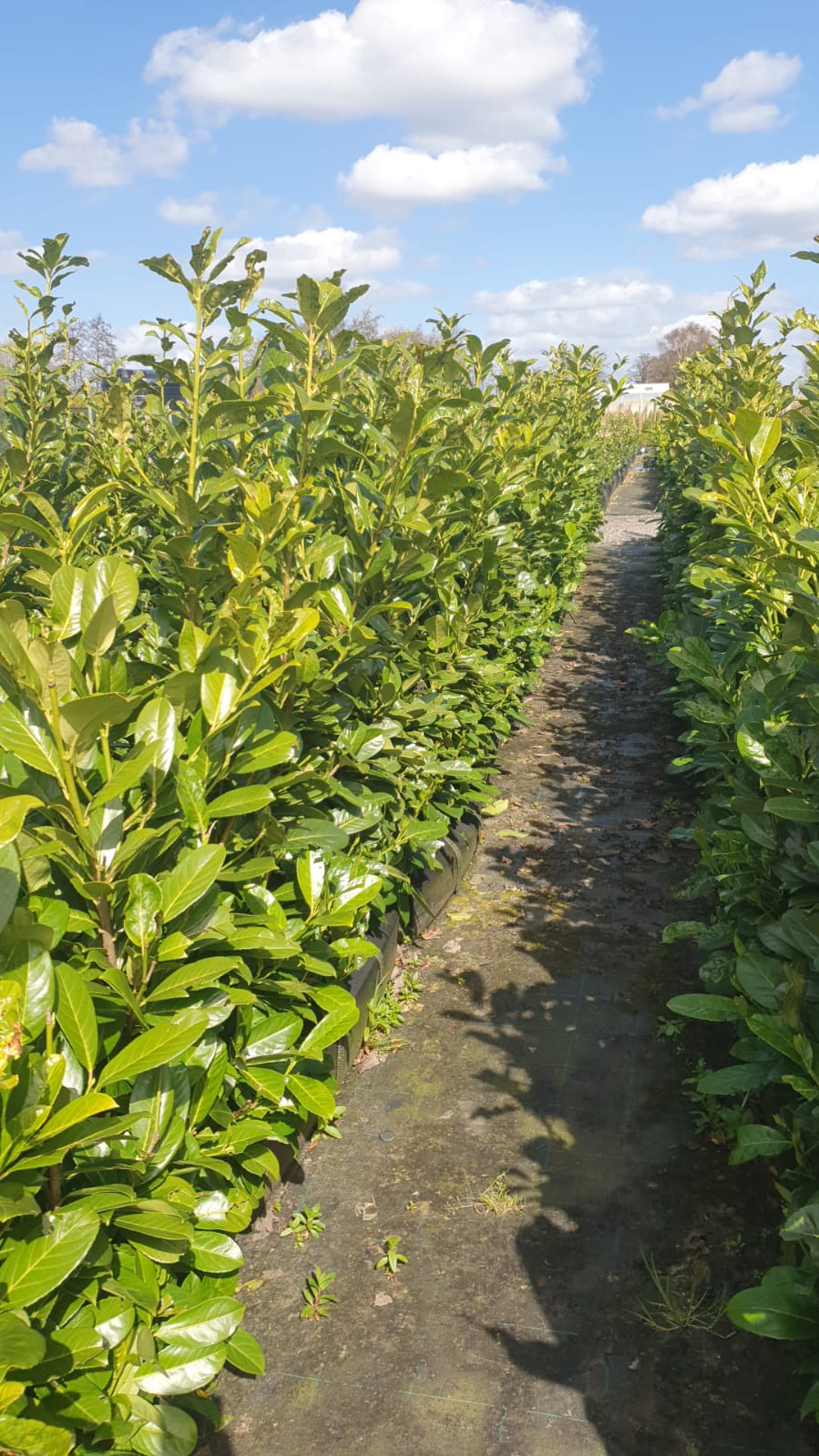
Laurel is a popular hedging plant because it is evergreen, dense and reliable, but it does come with an important safety point. Certain types of laurel, including Cherry Laurel and Portuguese Laurel, are considered harmful if eaten, and that applies to people as well as some pets and animals.
That does not mean laurel hedges are automatically dangerous to have in a garden. In most cases, they can be grown perfectly safely as long as they are planted and maintained with a bit of common sense. The main risk comes from eating the leaves, berries or other plant material, rather than simply being near the hedge.


Which Laurel Hedges Are Poisonous?
When people talk about laurel hedging in UK gardens, they are usually referring to Cherry Laurel (Prunus laurocerasus) or Portuguese Laurel (Prunus lusitanica). The RHS lists both as potentially harmful, particularly when ornamental fruit is eaten.
These laurels contain compounds that can release cyanide when plant material is damaged and then chewed, crushed, wilted or digested. That is why the concern is mainly around ingestion rather than ordinary handling.
Are Laurel Hedges Dangerous to Humans?
For people, laurel is best treated as a plant that should not be eaten. Adults are unlikely to mistake it for something edible, but children may be more at risk if they pick and chew leaves or berries.
In practical terms, most garden owners safely grow laurel without any problems at all. The sensible precautions are straightforward:
- Do not allow children to eat any part of the plant
- Wear gloves if you are sensitive when pruning or handling cut material
- Wash hands after heavy contact with sap, leaves or berries
- Keep trimmings tidy and out of reach
The biggest issue is not usually casual contact. It is accidental ingestion.
Are Laurel Hedges Poisonous to Dogs and Cats?
Yes, laurel can be harmful to pets if eaten. The RHS includes Cherry Laurel and Portuguese Laurel in its harmful plant guidance for pets, which is the main reason dog and cat owners should take care with hedge clippings, fallen berries, and any chewing behaviour.
That said, many dogs and cats live perfectly safely around laurel hedges because they do not usually eat enough plant material to cause a problem. The risk is higher with curious puppies, pets that chew plants, or animals that may investigate fresh clippings left on the ground. This is an inference based on the poisoning risk being linked to ingestion rather than proximity.
If a pet has eaten laurel and seems unwell, it is best to contact a vet promptly.


Is Laurel Dangerous for Horses, Livestock and Grazing Animals?
This is where extra caution is needed. Laurel is not a good choice near grazing animals. Veterinary and livestock sources warn that cherry laurel can cause serious poisoning in animals such as cattle, and garden guidance for farm animals advises against planting laurel where livestock can reach it.
The risk can increase when animals gain access to cut branches or hedge trimmings, because damaged plant material is more likely to release the toxic compounds involved.
For this reason, laurel hedging is generally best avoided around:
- horses
- cattle
- sheep
- goats
- other grazing livestock
If you need hedging for a paddock, field boundary, or anywhere animals may browse, a safer alternative is usually the better choice.
Are Laurel Hedge Clippings Dangerous?
They can be, especially if left where pets or livestock might chew them. Freshly cut, crushed, or wilted plant material is a greater concern than an intact hedge because toxic compounds are released when plant tissue is damaged.
That means good hedge care matters. After trimming a laurel hedge:
- Collect clippings promptly
- Do not leave piles where pets can investigate them
- Never throw cuttings into fields or animal areas
- Keep children away from pruning waste
Interestingly, the RHS says there is no evidence that harmful substances from poisonous plants such as cherry laurel are emitted when the wood is burnt, composted or used as mulch, although it advises stacking or maturing material for several months first, so harmful substances can break down.
Is It Safe to Grow Laurel in a Family Garden?
In many cases, yes. Laurel remains a very common garden hedge in the UK, and for most households, it can be grown without issue as long as everyone understands that it is not an edible plant and clippings should be managed properly.
It may not be the best choice if:
- Very young children regularly play unsupervised around plants and may put leaves or berries in their mouths
- You have a dog that persistently chews shrubs
- The hedge borders paddocks, grazing land or areas used by livestock
In those situations, it may be worth considering a different hedging plant.
Final Thoughts
Laurel hedges can be harmful if eaten, so they are not completely risk free. For most people, though, the risk is manageable and comes down to sensible garden use rather than avoiding laurel altogether.
The key points are simple: do not eat any part of the plant, carefully clear up clippings, and avoid planting laurel where pets or grazing animals are likely to browse it. For standard garden screening, laurel is still widely used and valued, but around livestock in particular, it is better to be cautious.
Related Laurel Hedge Advice