
How to Make a Laurel Hedge Grow Faster
Laurel is already known as a relatively fast-growing hedge, but if your plants seem slow to establish or are not filling out as quickly as you hoped, there are a few practical ways to help them along. In most cases, faster growth comes down to getting the basics right rather than relying on a quick fix. Well-prepared soil, regular watering, mulching, feeding at the right time and sensible pruning all help support stronger, healthier growth.
It is also worth noting that newly planted laurel often invests more energy in establishing roots before it begins to develop strong top growth. So if your hedge is young, it may simply need a little more time and the right aftercare.
Start with the Right Growing Conditions
If you want a laurel hedge to grow well, it needs to be planted in suitable conditions from the start. Laurel generally performs best in reasonably fertile, well-drained soil, and we recommend improving the soil with organic matter before planting to give roots a better environment in which to establish.
If the ground is poor, compacted, or overgrown with weeds and grass, growth can be much slower. Preparing the planting line properly and keeping the base of the hedge clear make a real difference, especially during the first couple of years.
Water Properly, Especially in the First Year
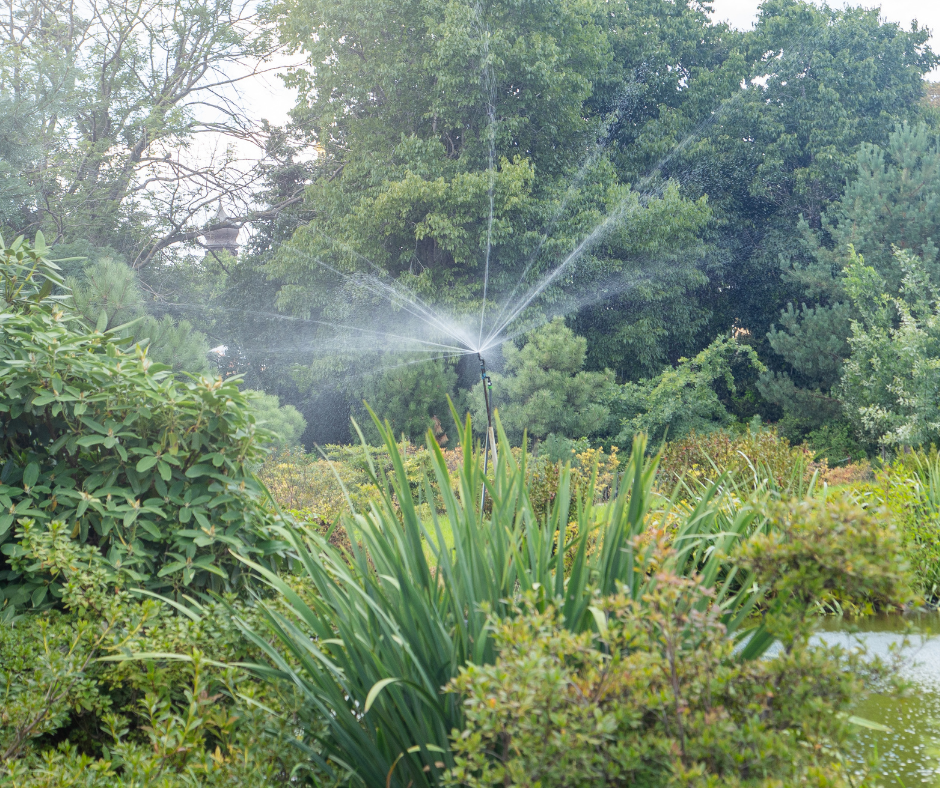
One of the most common reasons for slow laurel growth is inconsistent watering. Newly planted laurel needs regular moisture while it establishes, and it’s important to keep the soil moist, particularly during dry spells and throughout the first growing season.
Deep watering is usually more helpful than a light sprinkle. The aim is to get moisture down to the roots rather than only wetting the surface. If the hedge dries out repeatedly, growth will often stall, and the leaves may begin to curl, brown or look stressed.
Add Mulch to Hold Moisture
Mulching around the base of a laurel hedge helps the soil retain moisture and suppresses weeds, both of which support better growth. We recommend applying a layer of bark mulch or compost around the plants after planting.
A mulch layer can be especially useful in warmer weather or on lighter soils that dry out more quickly. Just keep the mulch slightly away from the stems rather than piling it directly against the plants. This point is a practical gardening inference from the mulch guidance and standard stem-rot prevention practice.
Feed at the Right Time
Laurel does not need excessive feeding, but a balanced fertiliser in early spring can help encourage stronger growth as the growing season begins. We advise applying a balanced fertiliser in early spring to help laurel grow faster.
Feeding is most useful when the hedge is otherwise healthy but could do with a bit of support. It will not solve deeper issues such as poor drainage, dry soil or lack of root establishment, so it works best as part of good all-round care rather than as a fix on its own. This is an inference based on planting and problem guides emphasising water, soil conditions, and establishment alongside feeding.
Prune to Encourage Bushier Growth
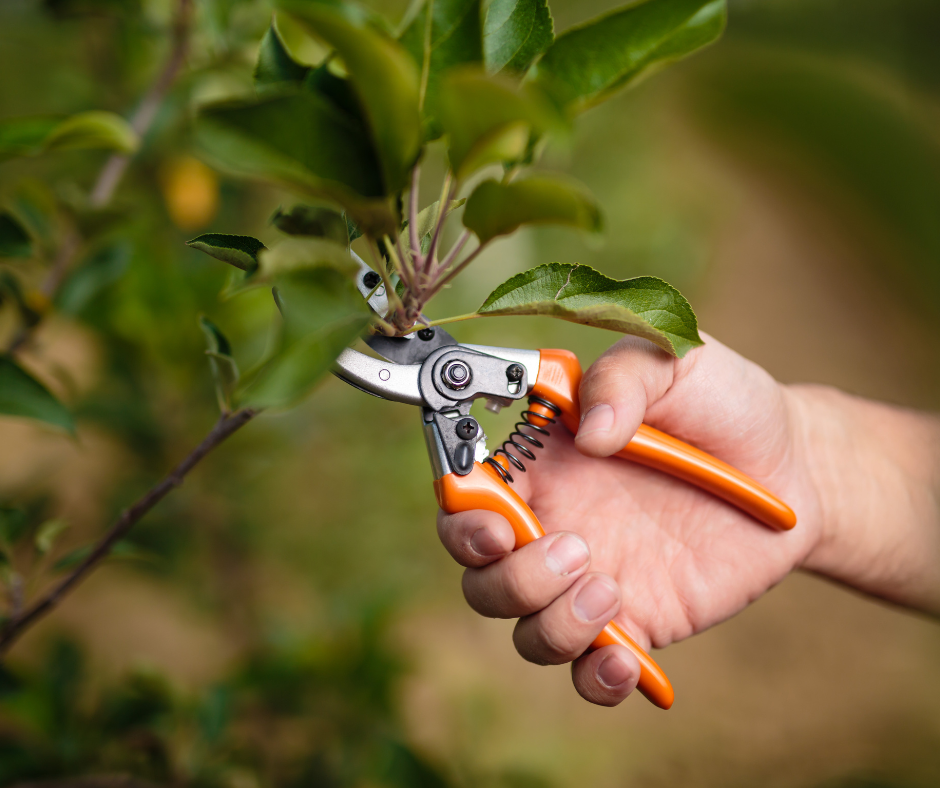
Pruning can help stimulate fresh growth and make a laurel hedge fill out more densely. We recommend pruning in late winter or early spring, before new growth begins, to encourage vigorous new shoots during the growing season.
For established Cherry Laurel, maintenance trimming can also be done in early June and again in September to keep the hedge neat.
The key is not to overdo it. Heavy cutting at the wrong time can set the hedge back, while light, well-timed pruning is more likely to encourage the fuller, more vigorous growth most people want.
Keep the Base of the Hedge Clear
We always recommend keeping the base of a new laurel hedge free from weeds and grass. This is one of the simplest ways to improve growth, but it is often overlooked.
Grass, weeds, and other unwanted growth compete for water and nutrients, which can slow the hedge’s growth, especially while it is still young. A clean strip at the base of the hedge gives the plants a much better chance of establishing quickly and growing strongly.
Combined with mulching, this can make a noticeable difference.
Be Patient with Newly Planted Laurel
Even a fast-growing hedge needs time to settle in. We often find that people expect instant top growth, but newly planted laurel usually spends its early energy establishing roots. That is completely normal.
If your hedge has only recently gone in, the best approach is usually to stay consistent with watering, feeding and general care rather than interfere too much. Once the plants are properly established, they will usually begin to put on stronger growth and fill out more quickly.
Common Reasons Laurel Grows Slowly
If a laurel hedge is not growing as quickly as expected, the cause is often one of the following:
- Not enough water
- Poor soil preparation
- Heavy competition from weeds or grass
- No mulch around the base
- Lack of seasonal feeding
- Pruning at the wrong time
- Simple establishment time after planting
In most cases, improving these basics will do more to speed up growth than anything else.
Final Thoughts
If you want to make a laurel hedge grow faster, we recommend focusing on the fundamentals. Good soil preparation, regular watering, spring feeding, mulching and sensible pruning all help support faster, healthier growth.
Laurel is naturally vigorous, but like any hedge plant, it performs best when properly cared for. Give it the right start and the right aftercare, and it should reward you with strong growth and a dense, healthy finish over time.
Related Laurel Hedge Advice