
Autumn Hedge Care: Why This Season Is Perfect for Planting and Maintaining Hedges
Autumn Hedge Care: Why This Season Is Perfect for Planting and Maintaining Hedges
As the leaves turn to shades of gold and the air becomes crisp, autumn is the ideal time to plant and care for hedges. This season offers unique advantages for garden enthusiasts that can set your hedges up for a thriving start come spring. Here’s why autumn hedge care is so important and how to make the most of this season’s natural benefits.
Why Autumn is the Best Time for Hedge Planting
- Dormancy Encourages Root Growth
Autumn is the best time to plant new hedges as they begin their natural dormancy cycle, where their above-ground growth slows and more energy is directed toward root development. With their roots established in the cooler soil, your hedges will be well-prepared for the spring surge of growth.
- Rain Reduces the Need for Watering
One of autumn’s best benefits is that it usually brings lots of rainfall. This might not be the ideal weather for us, but it does eliminate the need for constant watering. Unlike in summer, when the heat demands frequent irrigation, the regular rain in autumn keeps the soil moist enough for your newly planted hedges to settle in comfortably.
- Fewer Weeds to Compete With
As perennial weeds die back in the cooler months, your new hedge plants will have less competition for nutrients, water, and sunlight. This gives them the space they need to focus their energy on root establishment without being overtaken by fast-growing weeds.
Key Tips for Autumn Hedge Care
- Choosing the Right Hedge Species
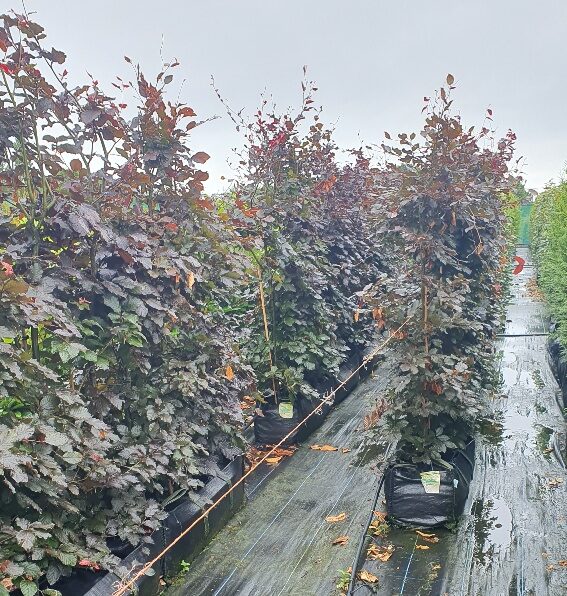
Before planting, you need to make sure you choose hedge plants which are well-suited to your climate and soil. Some great choices for autumn planting include beech, hornbeam, yew, and hawthorn. These species adapt well to the season and provide aesthetic and additional benefits, such as dense privacy screening and wildlife habitat creation.
- Prepare the Ground Properly
It’s essential to prepare your soil properly. Start by digging a trench or individual holes for your plants, making sure that they’re deep and wide enough for the roots to spread. Add some organic compost or well-rotted manure and mix in to boost your hedge’s nutrients. Also, remove weeds or grass from the area to reduce competition for your new hedge plants.
- Spacing for Future Growth
While it might be tempting to plant your hedges closer together for immediate impact, remember that they need space to grow. Proper spacing makes sure that each plant will have enough room to develop a strong root system and form a dense, healthy hedge. For most species, a distance of about 30-60 cm (12-24 inches) between plants is ideal.
- Mulching for Moisture Retention and Protection
After planting, apply a thick layer of mulch around the base of your hedges. This helps to retain moisture, suppress late-season weed growth, and insulate the soil against early frosts. Use organic mulches, such as wood chips or compost, as they break down over time and add valuable nutrients to the soil throughout the season.
- Minimal Watering is Needed
With autumn’s cooler temperatures and frequent rain, newly planted hedges typically don’t need additional watering. However, if you’re experiencing a dry spell, give your hedge a good soak once a week.
- Pruning for Shape and Health
Autumn is the perfect time to give your existing hedges some attention. Lightly prune your hedge, including dead or diseased branches, and shape it. Avoid heavy pruning during this season, as this can encourage new growth that may not withstand the winter frosts.
Other Autumn Garden Jobs to Prepare for the Season
Autumn isn’t just the perfect time to plant new hedges — it’s also a great season to get your whole garden ready for winter. With mild temperatures and moist soil, many essential maintenance tasks are easier and more effective now than at any other time of year.
Here are a few key autumn garden jobs to tick off your list:
1. Tidy Up Borders and Beds
Cut back faded perennials, remove dead annuals, and clear away fallen leaves from garden borders. This prevents pests and diseases from overwintering, keeping your garden tidy throughout the colder months.
2. Feed and Mulch Your Soil
Add a layer of organic matter, such as compost or well-rotted manure, around your plants and hedges to enhance their health and appearance. This boosts nutrients and improves soil structure, ready for next spring’s growth.
3. Plant Spring Bulbs
Now’s the time to plant daffodils, tulips, and crocuses. Getting bulbs into the ground before the first frost means you’ll enjoy colourful displays when the weather warms up again.
4. Trim Overgrown Shrubs and Trees
Light pruning of deciduous shrubs and small trees keeps them in shape over winter. Focus on removing damaged or crossing branches to encourage strong growth next year.
5. Check and Protect Garden Structures
Inspect fencing, trellises, and sheds for damage before winter weather sets in. If you’re installing a new hedge or replacing an old boundary, now’s a great time to plan and prepare.
6. Clean and Store Tools
Give your tools a good clean and apply oil to prevent rust. A little care now means they’ll be ready to go next spring — and last much longer.
Autumn is a season of preparation — not pause.
From planting new hedges to mulching beds and tidying borders, every job you do now helps your garden thrive when growth returns in spring.