
Alternatives to Laurel Hedging
Laurel is one of the most popular evergreen hedging plants in the UK, but it is not always the right fit for every garden. Some people want a hedge that is less vigorous; some prefer a different leaf shape or overall look; and others are looking for a plant that is better suited to a particular soil type, garden style, or maintenance level. Laurel is a strong all-rounder, but there are several excellent alternatives depending on what you need from your hedge. The RHS highlights a range of hedge types for different purposes, while other current UK hedging guides point to options such as Photinia, Griselinia, Yew, Western Red Cedar, Beech and Hornbeam as strong Alternatives to Laurel Hedging for screening, structure or style.
In our experience, the best alternative to laurel depends on why you are replacing it. If you want something evergreen and dense but with a smarter appearance, one hedge may suit you better. If your main goal is fast privacy, a different choice may be more practical. The key is choosing a plant based on the job the hedge needs to do, rather than simply looking for something broadly similar.
Why Choose an Alternative to Laurel?
Laurel is often chosen for its dense evergreen growth and reliable screening, but it can feel too bold for some spaces. Cherry Laurel, in particular, has large leaves and a vigorous habit, which is ideal in many gardens but not all of them. Some homeowners prefer a finer texture, a more formal appearance or a hedge that feels easier to keep neat.
There are also practical reasons to look elsewhere. You may want a hedge that copes better with a specific soil, offers stronger wildlife value, has a more decorative finish or simply suits the scale of your garden better. In some situations, laurel is a very good choice, but it is not the only good choice.
Portuguese Laurel
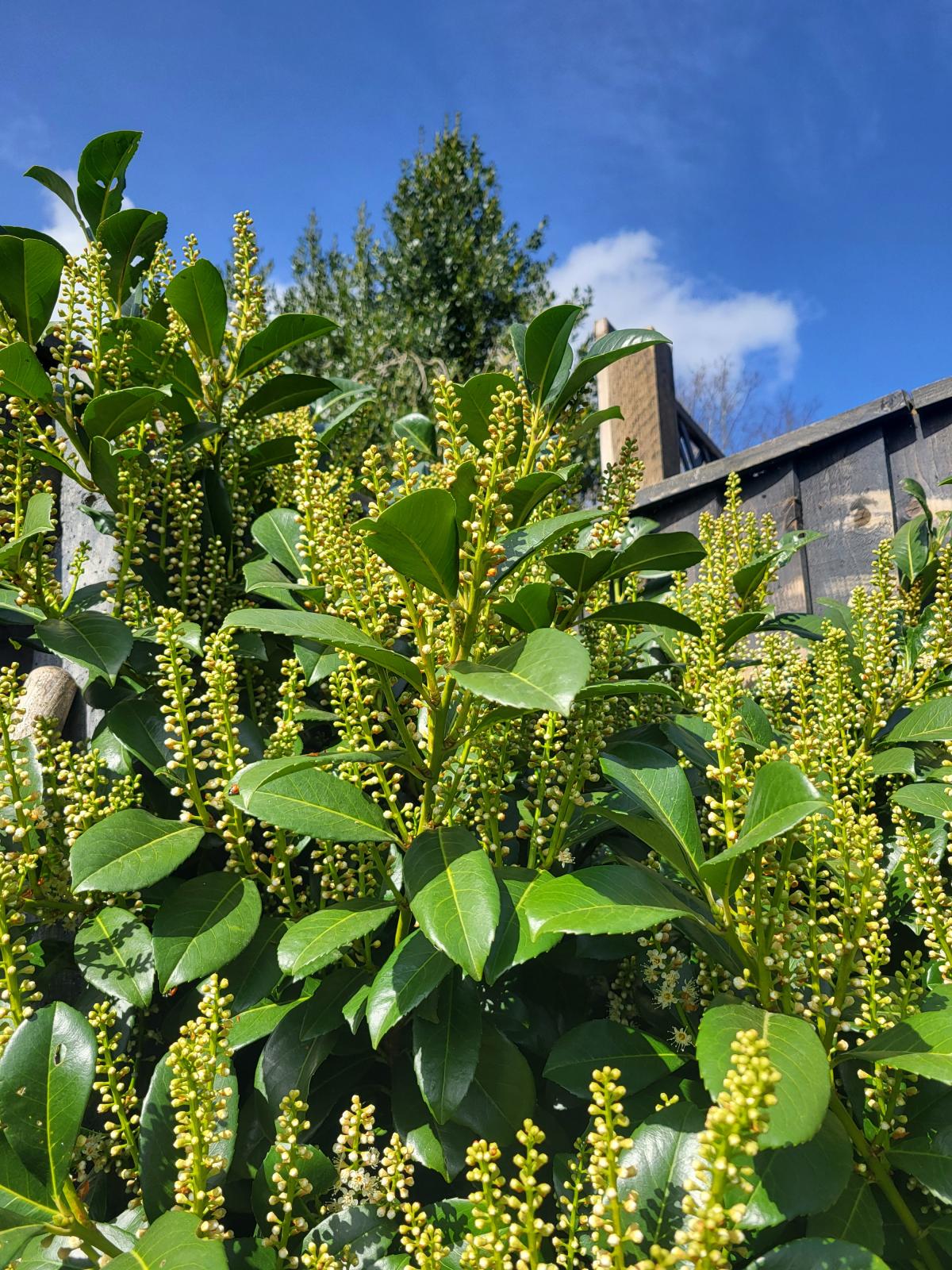
If you like the reliability of laurel but want something more refined, Portuguese Laurel is often the closest alternative. It is still evergreen and dense, but the foliage is smaller and neater, and the dark green leaves with reddish stems give it a smarter overall finish. The RHS specifically highlights Portuguese Laurel as a top choice for large evergreen hedges.
We often suggest Portuguese Laurel where the goal is privacy and structure, but with a more elegant look than Cherry Laurel. It is especially well-suited to formal gardens, contemporary spaces, and gardens where the hedge needs to look tidy while also providing screening.
Portuguese Laurel is a good alternative if you want:
- an evergreen hedge
- dense screening
- a neater, more refined appearance
- a hedge that clips well
Photinia
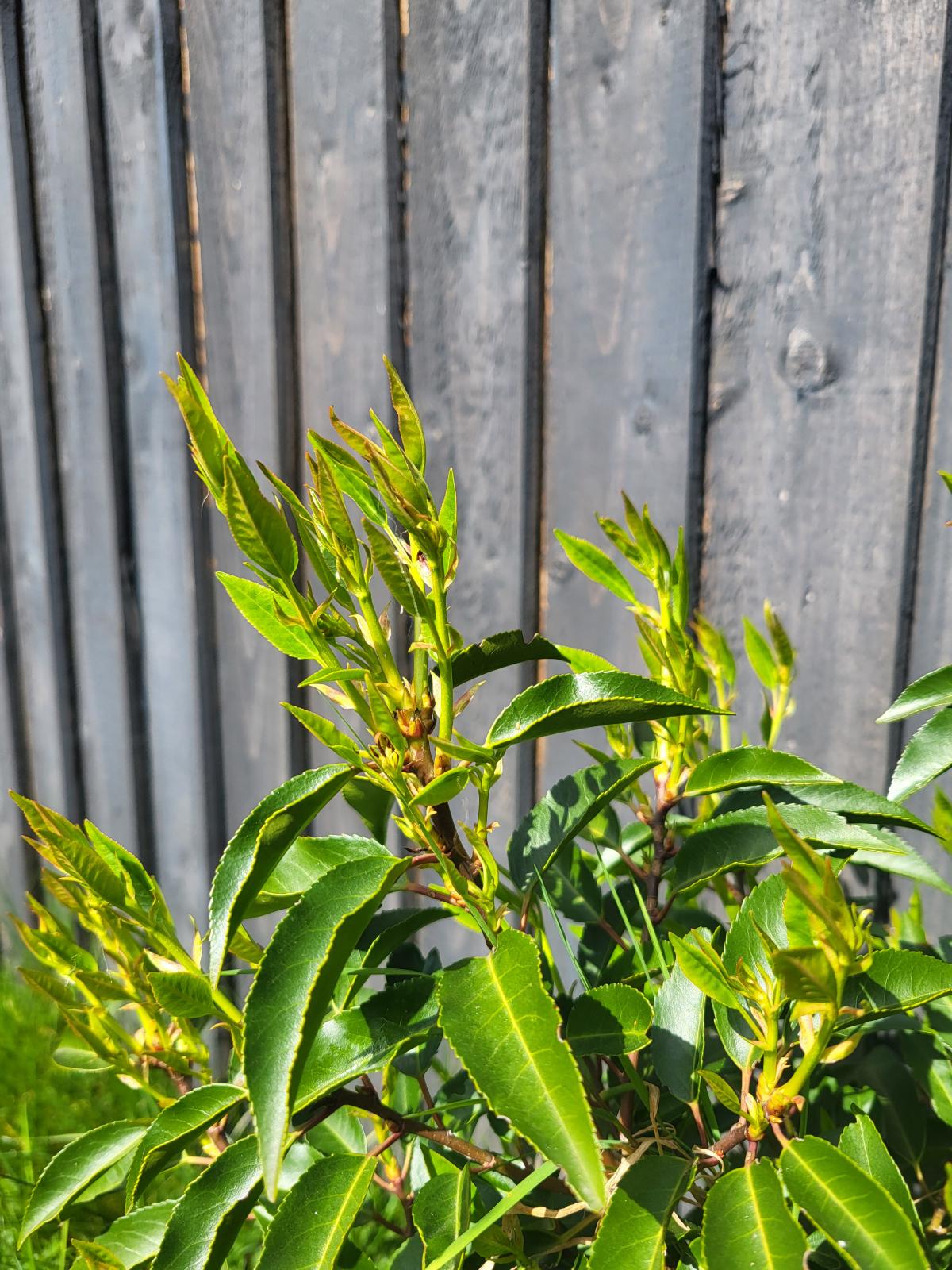
Photinia is a strong alternative if you want evergreen coverage with more colour and ornamental interest. It is especially popular for its bright red new growth, which gives it a very different character from laurel. Current evergreen hedging guides regularly include Photinia among the leading options for year-round coverage and garden screening.
We recommend Photinia when the hedge needs to do more than just screen. It works well where you want structure, privacy and decorative value all at once. It can be kept neat and formal, but it also brings far more visual interest than a plain green hedge.
Photinia is a good option for:
- evergreen hedging with colour
- decorative garden boundaries
- modern garden designs
- medium to tall screening with seasonal interest

Griselinia
Griselinia is another excellent evergreen alternative to laurel, particularly in milder and coastal areas. It has fresh apple-green foliage and a much lighter appearance than Cherry Laurel, while still creating dense year-round cover. Current evergreen hedging guides commonly include it among the best-loved evergreen screening plants, especially for exposed or coastal gardens.
In our experience, Griselinia works particularly well where a softer, brighter finish is wanted. It can provide privacy without looking heavy, which makes it useful in more open or contemporary spaces.
Griselinia is worth considering if you want:
- evergreen privacy
- a lighter-looking hedge
- good performance in milder or coastal conditions
- a softer alternative to bold broadleaf hedging
Yew
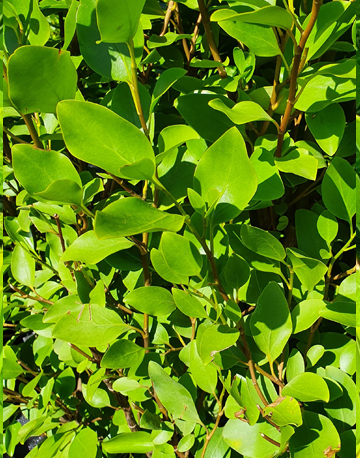
Yew is one of the classic hedging plants and a very strong alternative to laurel if you want something more traditional, long-lasting and formal. The RHS lists yew among the top hedge plants, and current nursery guidance continues to position it as one of the best choices for structure and longevity.
We often recommend Yew where the priority is quality, control and a smart finish rather than rapid growth. It is slower than laurel, but it offers a very different kind of value. A well-maintained yew hedge can look exceptional and hold a crisp shape beautifully.
Yew is a good choice for:
- formal gardens
- classic evergreen hedging
- long-term structure
- lower-maintenance shaping once established
Western Red Cedar
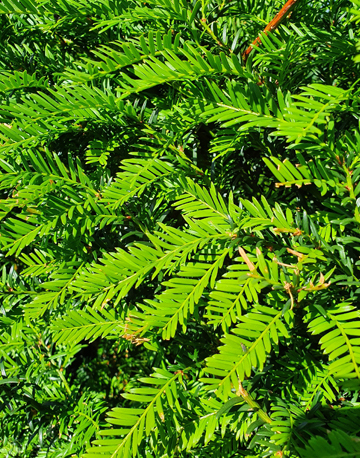
If your main reason for considering laurel is privacy, but you want an alternative evergreen screen, Western Red Cedar can be a very good option. Current hedging guidance highlights it as a useful choice for screening and for certain soil conditions, including clay, where drainage has been improved.
We suggest Western Red Cedar for a tall, evergreen hedge, but you would prefer something with finer foliage than laurel. It gives good year-round cover and can work particularly well for larger boundary hedges.
This is often a suitable alternative for:
- tall evergreen privacy hedges
- larger boundaries
- screening in a more coniferous style
- customers who want dense cover without broad leaves
Beech
Beech is not evergreen in the strictest sense, but it remains one of the best alternatives to laurel if you want structure, seasonal interest and screening for much of the year. Many gardeners still choose Beech when they want a softer, more natural look than an evergreen shrub hedge. Current RHS and supplier guidance continue to feature beech prominently among valuable hedge choices.
We often recommend Beech where the customer likes the idea of a hedge that changes with the seasons. It offers fresh green spring growth, rich summer foliage and warm coppery tones later in the year. In many locations, the dry leaves remain on the branches through winter, still giving a useful degree of cover.
Beech is a good alternative for:
- a more natural look
- seasonal interest
- structure without heavy evergreen foliage
- traditional garden boundaries

Hornbeam
Hornbeam is similar to Beech in overall use, but it tends to cope better with heavier soils. Current hedging advice often recommends Hornbeam as an alternative when a year-round structure is desired, and the site conditions are less suitable for other hedge plants.
In our experience, Hornbeam is a very useful choice where the look of Beech is appealing, but the ground conditions make it a better practical option. It gives a neat, reliable hedge with a softer overall feel than laurel and can work well in both formal and informal settings.
Which Alternative to Laurel Hedging Is Best?
The best alternative to laurel depends on what matters most in your garden.
If you still want a dense evergreen hedge but with a more elegant look, Portuguese Laurel is often the best fit. If you want more colour and ornamental appeal, Photinia is an excellent choice. For a lighter evergreen feel, Griselinia works very well. If you prefer something formal and long-lasting, Yew is one of the strongest options. And if you are happy to move away from evergreen planting, Beech and Hornbeam both make excellent structured hedges with a softer character.
We always suggest choosing the hedge based on the conditions and the end result you want. Growth speed, maintenance, leaf size, colour, final height and soil type all matter. A hedge that is perfect in one garden may be completely wrong in another.
Final Thoughts
Laurel is a popular hedge for good reason, but there are plenty of excellent alternatives if you want a different look, a different growth habit or a better match for your garden conditions. Whether you are looking for something more formal, more colourful, less vigorous, or simply less heavy in appearance, there is usually a strong alternative available. Current UK hedge selection guidance supports that broader view: the “best” hedge depends on purpose, site, and maintenance expectations, not on any one plant alone.
When choosing an alternative to laurel, we recommend focusing on what you need the hedge to do first. Once that is clear, the right plant usually becomes much easier to choose.
Related Laurel Hedge Advice