
Cherry Laurel vs Portuguese Laurel: Which Hedge Is Right for Your Garden?
Cherry Laurel vs Portuguese Laurel: Which Hedge Is Right for Your Garden?
When choosing a laurel hedge, two varieties dominate UK gardens: Cherry Laurel and Portuguese Laurel. Both are evergreen, reliable, and excellent for privacy — but they suit very different garden styles and needs.
In this guide, we compare Cherry Laurel vs Portuguese Laurel side by side, helping you choose the right option based on growth rate, appearance, maintenance, and overall suitability for your garden or project.
At a Glance: Cherry Laurel vs Portuguese Laurel
| Feature | Cherry Laurel | Portuguese Laurel |
|---|---|---|
| Growth Rate | Fast | Moderate |
| Leaf Size | Large, glossy | Small, dark green |
| Overall Look | Bold & dense | Neat & elegant |
| Maintenance | Moderate | Low–moderate |
| Best For | Quick privacy & screening | Formal & decorative hedging |
| Garden Style | Modern, large, practical | Formal, contemporary, refined |
Cherry Laurel Hedge: Fast Privacy & Dense Screening
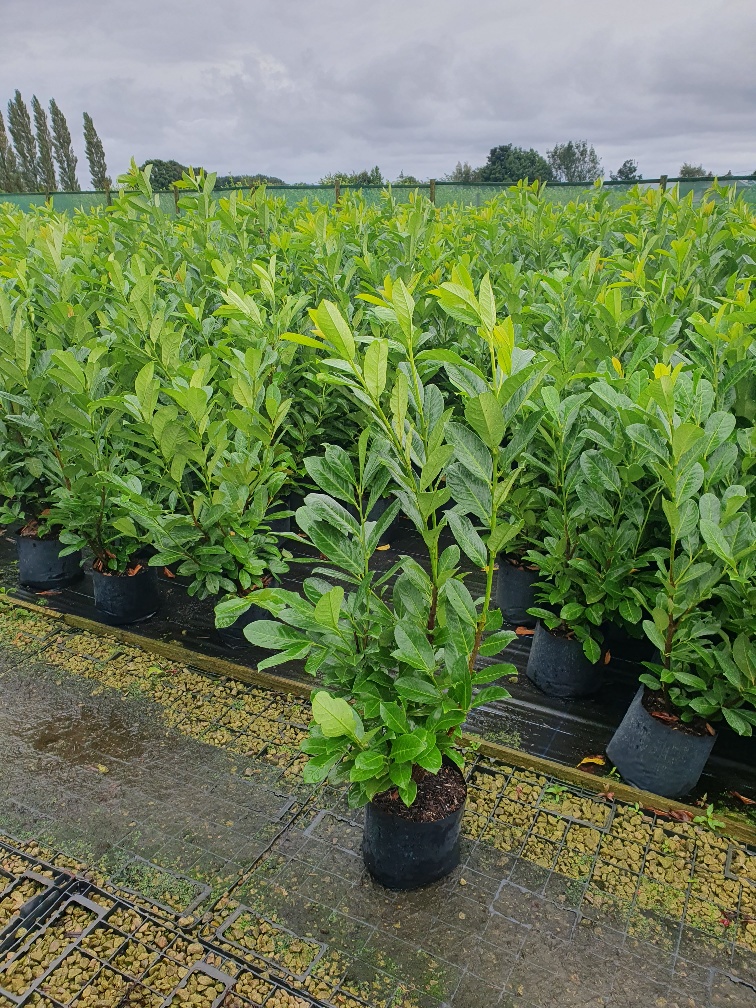
Cherry Laurel (Prunus laurocerasus) is one of the most popular hedging plants in the UK — and for good reason.
It’s a fast-growing evergreen hedge that forms a thick, solid screen quickly, making it ideal for boundaries, road screening, and privacy-focused gardens.
Key Benefits of Cherry Laurel
-
Grows up to 60cm per year in good conditions
-
Large, glossy leaves for instant coverage
-
Excellent year-round privacy
-
Very hardy and tolerant of most soils
-
Ideal for commercial hedging and large projects
Cherry Laurel is often chosen where speed and impact matter more than a refined finish. It’s also widely available as rootball hedging, making it cost-effective for longer runs.
👉 View our Cherry Laurel hedges
Portuguese Laurel Hedge: Elegant & Refined Evergreen Screening
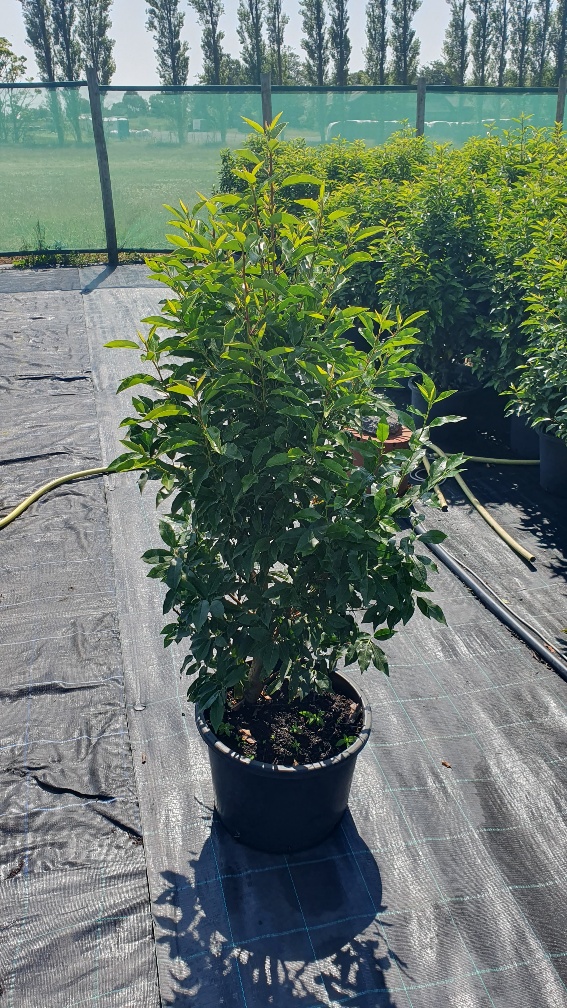
Portuguese Laurel (Prunus lusitanica) offers a more refined alternative. It grows slightly slower than Cherry Laurel but rewards patience with a smarter, more formal appearance.
Its smaller leaves and compact growth habit make it perfect for gardens where appearance is just as important as privacy.
Key Benefits of Portuguese Laurel
-
Tidy, elegant evergreen foliage
-
Smaller leaves for a neater finish
-
Excellent for shaping and formal hedges
-
Long lifespan and strong structure
-
Popular for high-end residential and commercial landscaping
Portuguese Laurel is ideal for driveways, pathways, and visible boundaries, where a clean, polished look is required.
👉 View our Portuguese Laurel hedges

Which Laurel Hedge Grows Faster?
If growth speed is your priority, Cherry Laurel is the clear winner.
-
Cherry Laurel: Fast-growing, excellent for quick privacy
-
Portuguese Laurel: Moderate growth, better for long-term shape
For customers wanting instant results, Cherry Laurel or instant hedging options are often the best choice. For those investing in a long-term garden design, Portuguese Laurel delivers superior aesthetics.
Maintenance & Pruning Differences
Both laurel varieties are low maintenance, but their pruning needs differ slightly:
-
Cherry Laurel
-
Can be pruned 1–2 times per year
-
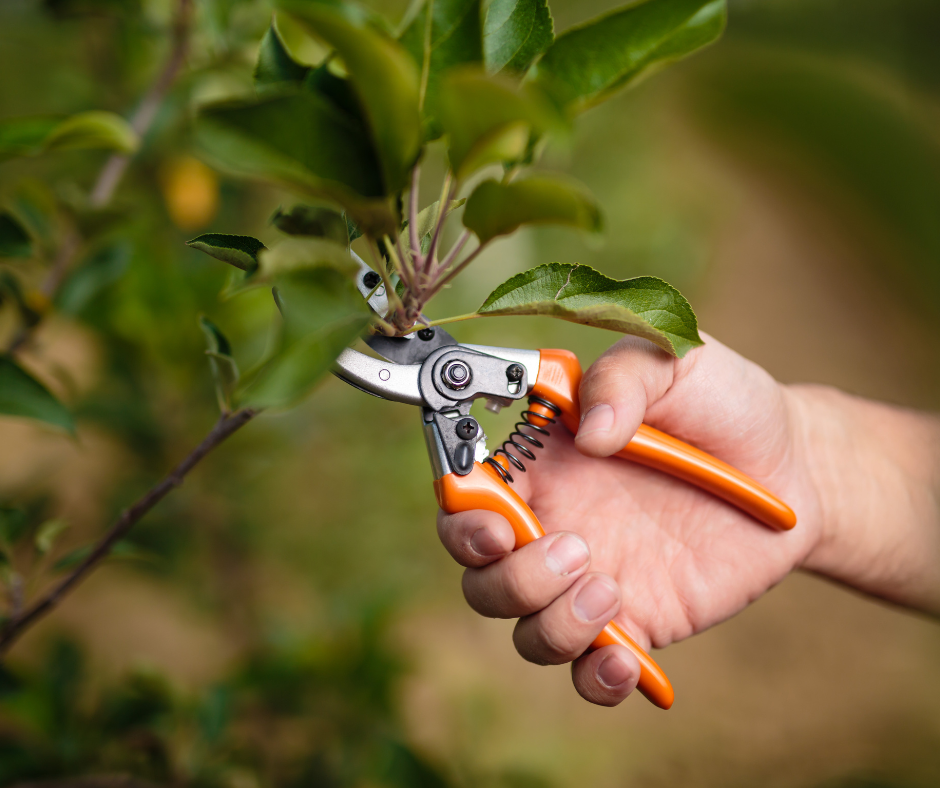
Best trimmed with secateurs (not hedge trimmers) to avoid leaf damage and subsequent diseases.
-

-
Portuguese Laurel
-
Responds beautifully to regular shaping
-
Ideal for formal, clipped hedges
-
Both varieties tolerate pruning well and recover quickly.

Cherry Laurel vs Portuguese Laurel: Which Should You Choose?
Choose Cherry Laurel if you:
-
Want fast privacy
-
Have a large boundary to cover
-
Need a robust, cost-effective hedge
-
Are planting for screening or commercial use
Choose Portuguese Laurel if you:
-
Prefer a smart, decorative hedge
-
Want a formal or contemporary look
-
Prefer a darker Green with smaller leaves and plum coloured stems.
-
Value neatness over speed
Both are excellent evergreen hedging plants — the right choice simply depends on your priorities.


Planting & Care: What Both Laurels Need to Thrive
Both Cherry Laurel and Portuguese Laurel are reliable evergreen hedges, but correct planting and care will make a noticeable difference to long-term performance.
Soil Preferences & Watering Needs
-
Laurel hedges prefer moist but well-drained soil
-
They tolerate clay and poorer soils better than many evergreen hedges
-
Water regularly during the first growing season, especially in dry spells
Once established, both varieties are drought tolerant, though Cherry Laurel copes slightly better with inconsistent conditions.
Fertilising Laurel Hedges
Laurels are not heavy feeders, but a little nutrition goes a long way.
-
Apply a slow-release fertiliser in spring
-
Avoid high-nitrogen feeds late in the season
-
Mulching with organic matter helps improve soil health long-term
Portuguese Laurel benefits most from consistent feeding, particularly in formal settings where appearance is key.
Seasonal Pruning for Shape & Vigour
Pruning is where the two varieties really differ in use:
-
Cherry Laurel
-
Best for practical, fast-growing screens
-
Prune 1–2 times per year
-
Tolerates heavier trimming
-
-
Portuguese Laurel
-
Ideal for neat, shaped hedges
-
Responds beautifully to light, regular pruning
-
Smaller leaves give a cleaner finish
-
Both should be pruned using secateurs rather than hedge trimmers to avoid torn leaves.
Resilience Against the Elements
Both laurels are extremely hardy in UK conditions:
-
Tolerant of wind and exposed sites
-
Evergreen even through harsh winters
-
Portuguese Laurel is slightly better in sheltered, refined gardens
-
Cherry Laurel is better suited to large, exposed boundaries and commercial sites
For coastal or windy locations, good soil preparation and mulching are key.
Pests & Disease Resistance
Laurel hedges are generally low-problem plants.
Occasional issues may include:
-
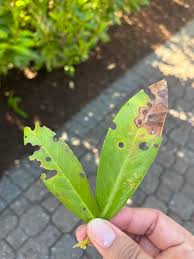
Leaf spotting
-
Minor insect damage
-
Environmental stress rather than disease
Most problems are cosmetic and easily managed through good spacing, airflow, and aftercare.
Read our Common Problems With Laurel Hedges article for more information.
Designing With Laurel Hedges
Formal vs Informal Settings
-
Portuguese Laurel suits:
-
Formal gardens
-
Driveways and pathways
-
High-visibility areas
-
-
Cherry Laurel suits:
-
Informal gardens
-
Large boundaries
-
Privacy screening and noise reduction
-
Decorative Features & Visual Appeal
-
Portuguese Laurel offers:
-
Darker foliage
-
Red stems
-
A refined architectural look
-
-
Cherry Laurel offers:
-
Bold leaf coverage
-
Instant density
-
Strong visual screening
-
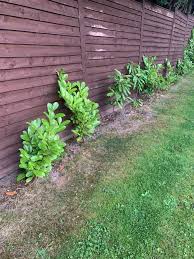
Both integrate well with fencing, walls, and mixed hedging designs.




The Long-Term View: Maturity & Sustainability
When properly maintained:
-
Laurel hedges can last decades
-
They provide ongoing privacy with minimal intervention
-
Root systems stabilise soil and reduce erosion
Portuguese Laurel matures into a structured, elegant hedge, while Cherry Laurel becomes a robust, high-impact screen.
Supporting Wildlife & Biodiversity
Despite being evergreen, laurel hedges still contribute positively:
-
Provide shelter for birds year-round
-
Offer nesting protection when left unpruned in spring
-
Act as windbreaks and habitat corridors
Mixed hedging with native species can further enhance biodiversity.
Need Help Choosing the Right Laurel Hedge?
At Hedging UK, we supply both Cherry Laurel and Portuguese Laurel in a range of sizes, including pot-grown, rootball, and instant hedging options.
Browse our full Laurel Hedging range
Or contact our team for expert advice on spacing, sizes, and planting