
Common Problems With Laurel Hedges (And How to Fix Them)
Common Problems With Laurel Hedges (And How to Fix Them)
Laurel hedges are one of the most popular evergreen screening plants in the UK — fast-growing, reliable, and excellent for privacy. However, like all hedging plants, they can experience problems if conditions aren’t quite right.
In this guide, we cover the most common laurel hedge problems, how to identify them, and — most importantly — how to fix and prevent them so your hedge stays healthy and looking its best.
1. Yellowing Leaves on Laurel Hedges
The Problem
Yellow leaves are one of the most common issues with laurel hedging and can affect both Cherry Laurel and Portuguese Laurel.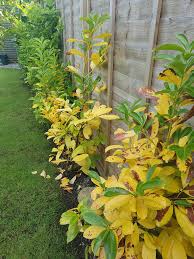
Likely Causes
-
Poor drainage or waterlogged soil
-
Nutrient deficiency (often nitrogen or magnesium)
-
Compacted soil restricting root growth
How to Fix It
-
Improve drainage by incorporating organic matter
-
Avoid overwatering, especially in winter
-
Apply a balanced slow-release fertiliser in spring
Prevention tip: Laurel prefers moist but well-drained soil — planting preparation is key.
2. Brown or Scorched Leaves
The Problem
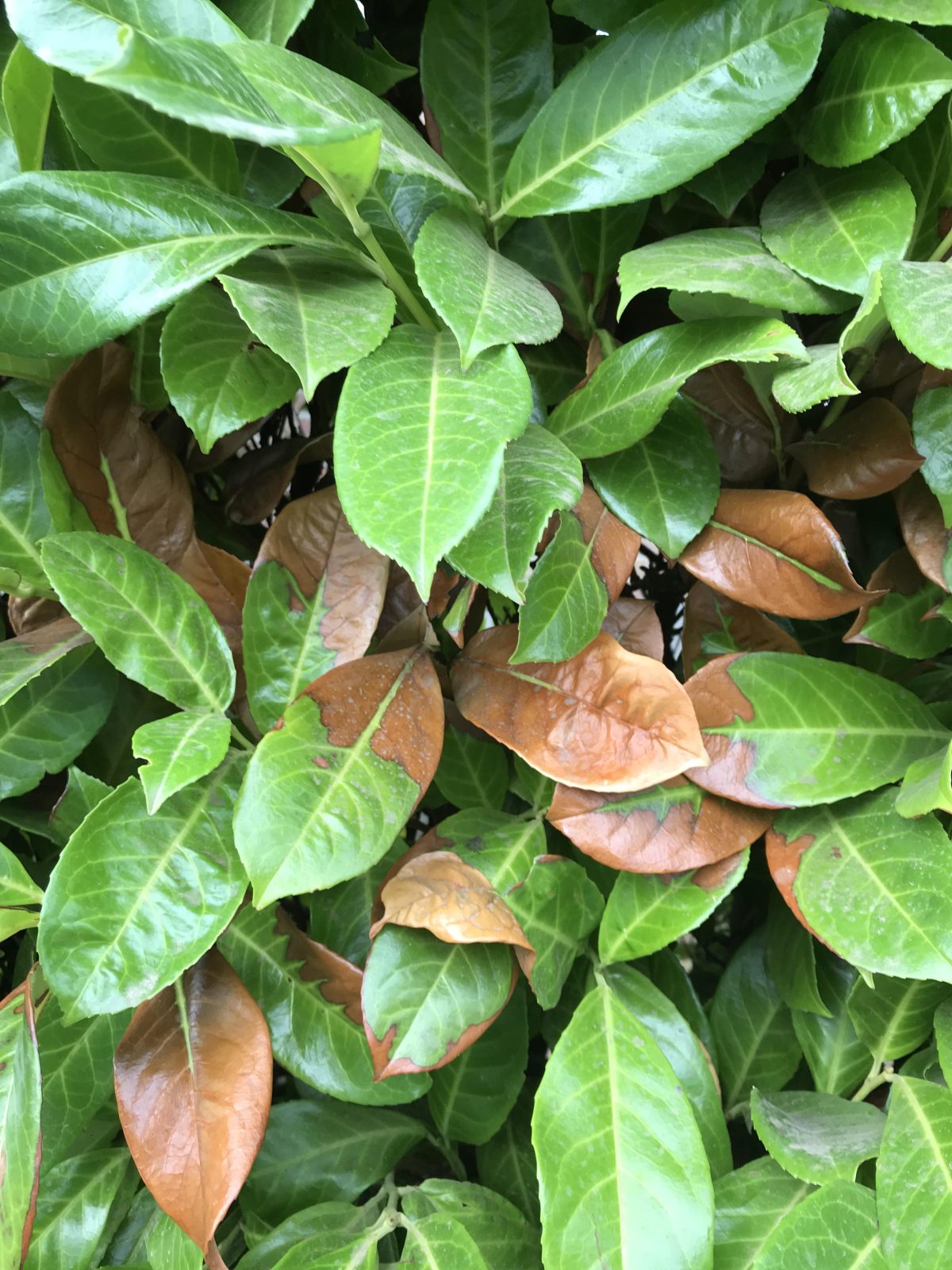
Brown leaf edges or scorched patches, particularly after winter or hot spells.
Likely Causes
-
Wind scorch or frost damage
-
Drought stress during dry periods
-
Salt exposure in coastal or roadside areas
How to Fix It
-
Water deeply during prolonged dry spells
-
Mulch around the base to retain moisture
-
Trim damaged growth in spring to encourage recovery
Good news: laurels are resilient and usually bounce back well.
3. Poor or Patchy Growth
The Problem
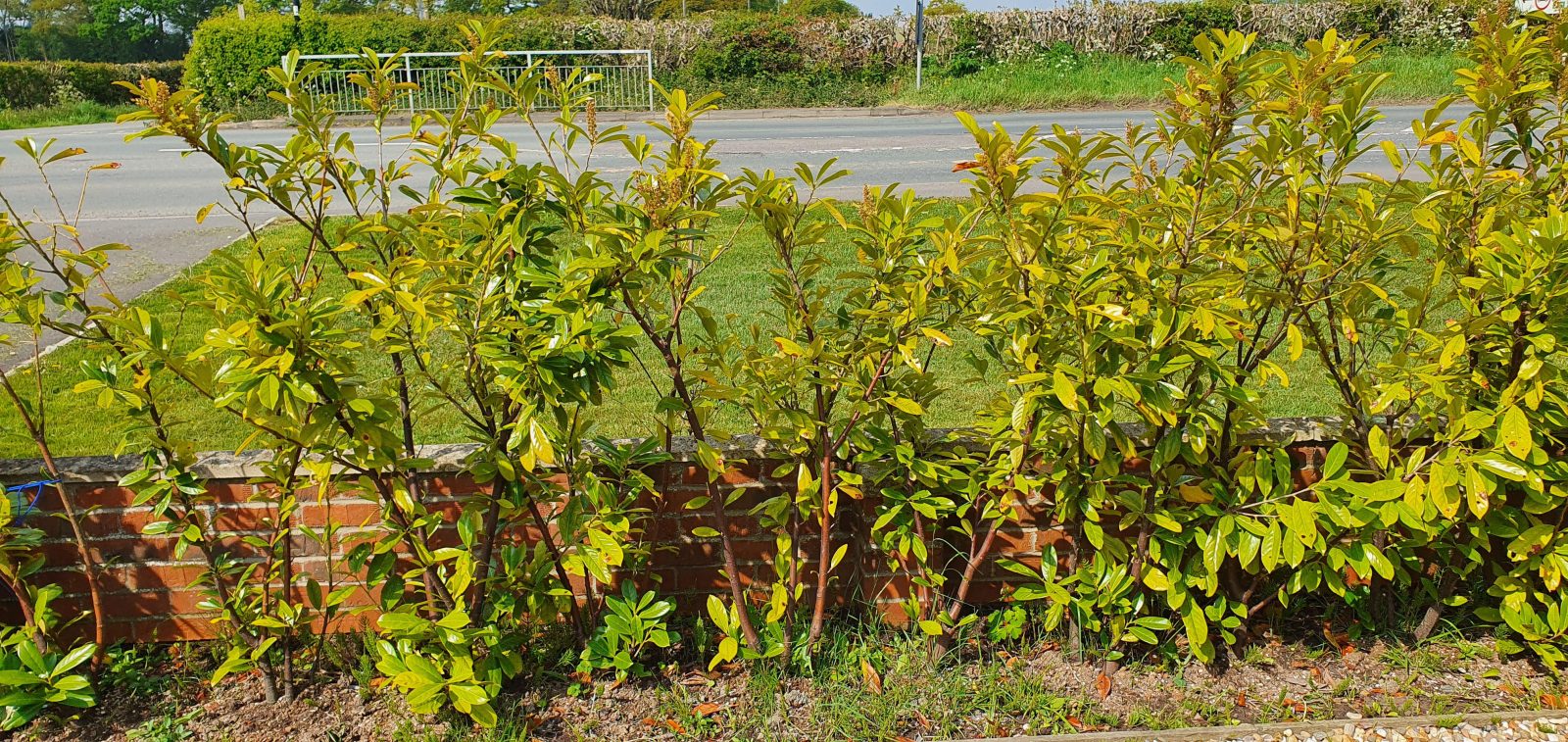
Your laurel hedge looks thin, uneven, or slow to fill out.
Likely Causes
- Transplant shock (rootball plants or bare root)
-
Incorrect planting spacing
- Competition from weeds or grass
- Newly planted hedges still establishing
How to Fix It
-
Ensure correct spacing (typically 30–60cm depending on size)
-
Keep the base clear of weeds
-
Be patient — establishment can take a full growing season
For guidance, see our Hedge Spacing and Planting a Laurel Hedge resources.
4. Holes or Marks in Leaves
The Problem
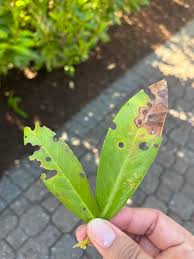
Small, round holes or irregular damage on laurel leaves can be alarming, especially when they spread quickly across the hedge. This is one of the most common concerns for laurel hedge owners in the UK.
Cause 1: Shot Hole Disease (Pseudomonas syringae)
Shot hole disease is a bacterial infection that commonly affects Cherry Laurel and, to a lesser extent, Portuguese Laurel.
How to Identify Shot Hole
-
Small brown or purple spots appear on the leaves
-
The damaged tissue then dies and falls away, leaving neat, round holes
-
Leaves may yellow and drop prematurely in severe cases
Despite its appearance, shot hole disease is usually more cosmetic than harmful.
What Causes It
-
Wet, cool weather (especially spring and autumn)
-
Poor air circulation
-
Stress caused by waterlogging or compacted soil
How to Treat & Prevent Shot Hole
-
Prune affected growth during dry weather
-
Avoid overhead watering
-
Improve airflow by maintaining correct hedge spacing
-
Apply a mulch to reduce soil splash
-
Keep tools clean to prevent spreading bacteria
Good news: Healthy, well-maintained laurels usually grow out of shot hole naturally.
Cause 2: Vine Weevil (Adult & Larvae)
Adult vine weevils cause visible leaf damage, while the larvae are more dangerous below ground.
Adult Vine Weevil Damage
-
Distinctive U-shaped notches along leaf edges
-
Damage appears mostly in spring and summer
-
Adults feed at night and hide during the day
This damage is largely cosmetic and rarely threatens established laurels.
Larval Damage (More Serious)
-
Larvae feed on roots
-
Plants may wilt or fail to establish
-
More common in newly planted hedges
How to Manage Vine Weevil
-
Encourage natural predators such as birds
-
Inspect plants regularly, especially at night
-
Use biological controls if necessary
-
Maintain healthy soil to support strong root systems
Well-established laurel hedges are usually resilient to vine weevil activity.
Other Insect Damage
Occasional caterpillars, slugs, or sap-feeding insects may also cause minor leaf damage. In most cases, this does not require treatment and resolves naturally as the plant grows.
5. Laurel Hedge Losing Leaves
The Problem
Leaves dropping suddenly, particularly after planting.
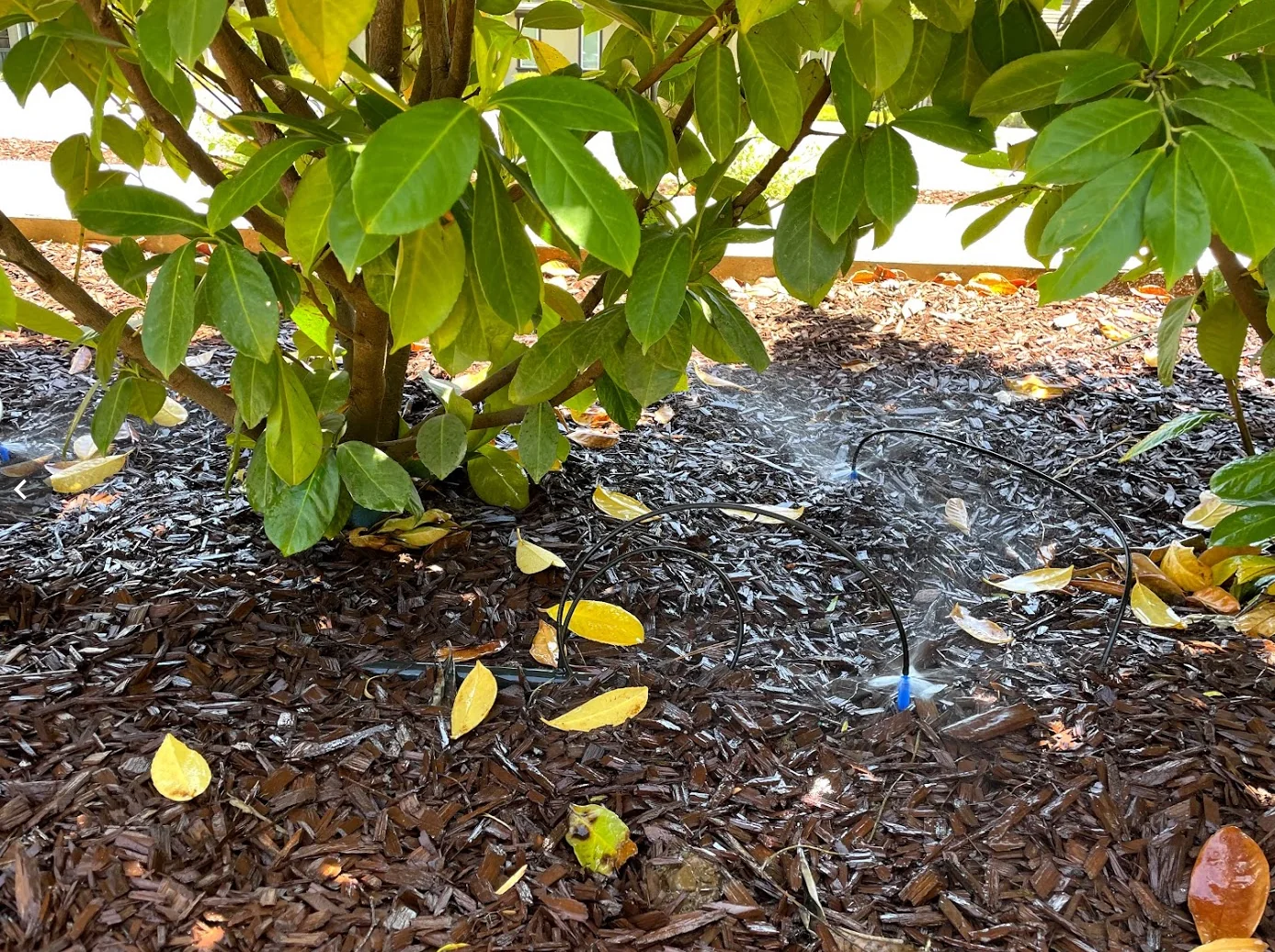
Likely Causes
-
Transplant shock
-
Environmental stress (temperature swings, wind)
-
Root disturbance
- Overwatering / Underwatering
How to Fix It
-
Water well during the first growing season
-
Avoid heavy pruning immediately after planting
-
Mulch to protect roots and stabilise soil temperature
- Buy a soil moisture probe to check the soil around the roots and adjust watering levels.
This is usually temporary — new growth often appears in spring.
6. Pruning Problems (Torn or Brown Leaf Edges)
The Problem
Leaves look ragged or brown after trimming.
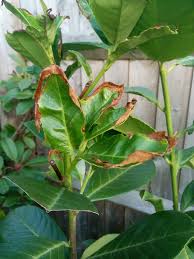
Likely Cause
-
Cutting laurel with hedge trimmers rather than secateurs
How to Fix It
-
Use sharp secateurs instead of mechanical trimmers
-
Prune lightly and regularly for best results
This is especially important for Portuguese Laurel, where appearance matters most.
7. Slow Growth After Planting
The Problem
Laurel hedge isn’t growing as quickly as expected.
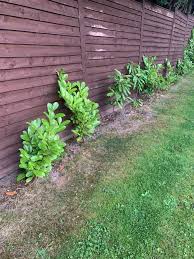
Likely Causes
-
Newly planted rootball or pot-grown hedge settling in
-
Compacted soil (Poor soil preparation)
-
Lack of nutrients
How to Fix It
-
Allow time — root development comes before visible growth
-
Feed in spring
-
Improve soil structure if needed
Once established, laurel hedges grow vigorously.
8. Frost Damage on Laurel Hedges
The Problem
After harsh winters or late frosts, laurel leaves may turn:
-
Brown
-
Blackened
-
Wilted or scorched
This is especially noticeable on exposed or newly planted hedges.
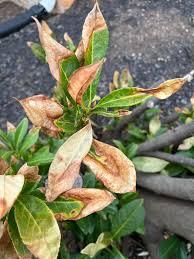
Why It Happens
-
Sudden temperature drops
-
Cold winds drying out foliage
-
Newly planted hedges not yet established
How to Fix Frost Damage
-
Avoid pruning damaged growth until spring
-
Mulch around the base to protect roots
-
Water during dry winter spells
-
Prune back affected foliage once new growth appears
Laurel hedges are hardy and usually recover well once temperatures stabilise.
Powdery Mildew on Laurel Hedges
The Problem
A white or grey powdery coating appears on leaves, often during warm, dry spells.
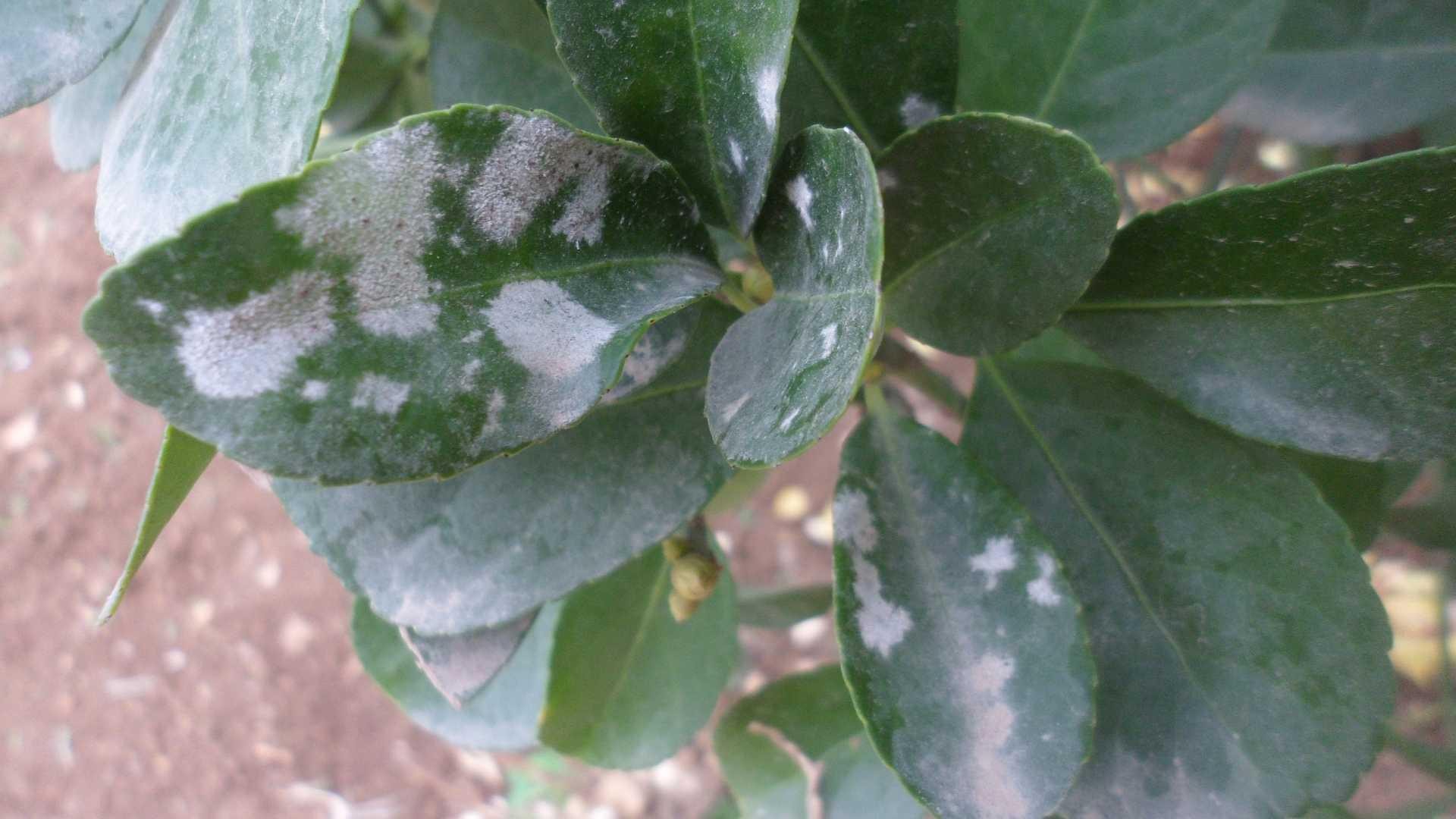
Causes
-
Poor airflow
-
Crowded planting
-
Stress from drought or compacted soil
How to Treat & Prevent Powdery Mildew
-
Improve airflow with light pruning
-
Ensure correct planting spacing
-
Water at the base, not overhead
-
Maintain soil health with organic mulch
Powdery mildew is rarely fatal and can usually be controlled with good garden hygiene.
How to Avoid Laurel Hedge Problems Altogether
Most laurel hedge issues are preventable with the right preparation and care:
✔ Choose the right laurel for your needs
✔ Prepare soil thoroughly before planting
✔ Plant at correct spacing
✔ Water consistently during establishment
✔ Mulch annually
✔ Prune correctly
See our other helpful guides for more advice
Choosing the Right Laurel Makes a Difference
-
Cherry Laurel is ideal for fast, robust screening
-
Portuguese Laurel offers a neater, more refined finish
Both perform extremely well when planted and maintained correctly. Find out more in our Cherry Laurel vs Portuguese Laurel Guide
- Explore our full Laurel Hedging range
- Browse Cherry Laurel and Portuguese Laurel options
- Or contact us for expert advice on planting and aftercare