Laurel is one of the most widely planted evergreen hedges in the UK, and for good reason. It is reliable, dense, fast to establish and works well in all kinds of gardens, from large boundaries to smaller screening projects. The name “laurel” is often used quite broadly, but there are several types available, each with its own character, growth habit, and best use.
Some laurel plants are ideal for creating a tall, thick privacy hedge, while others are better suited to smaller gardens, ornamental planting or more formal designs. If you are choosing laurel hedging, it helps to know the differences before you buy, especially if space, appearance and maintenance all matter.
Cherry Laurel
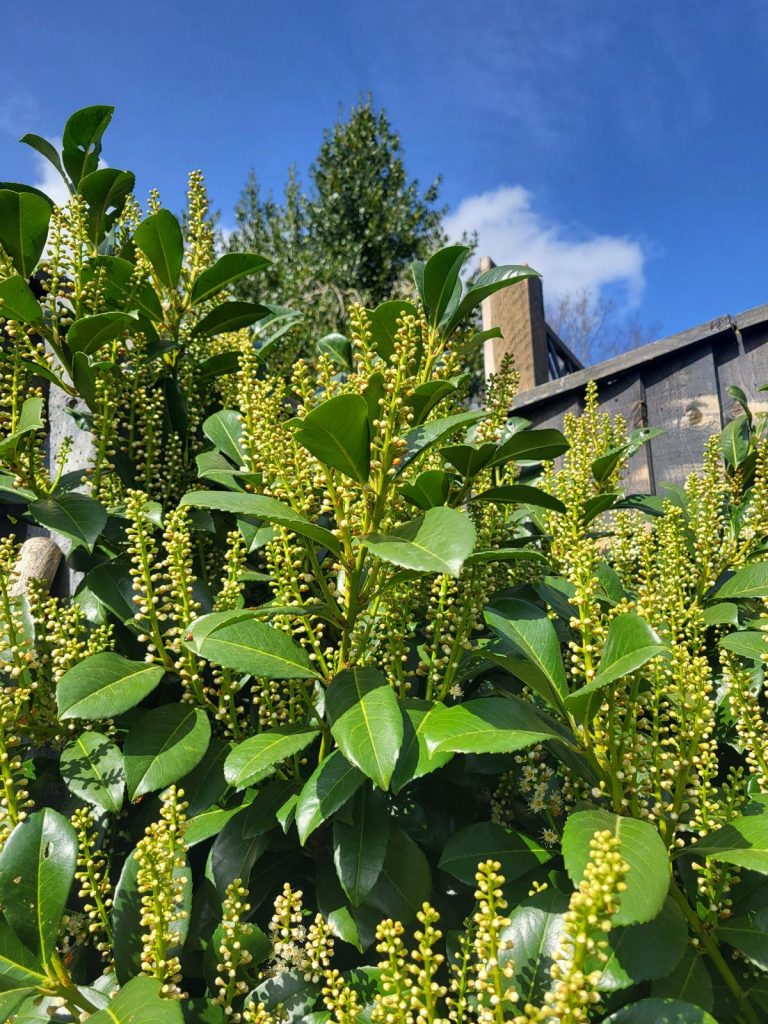
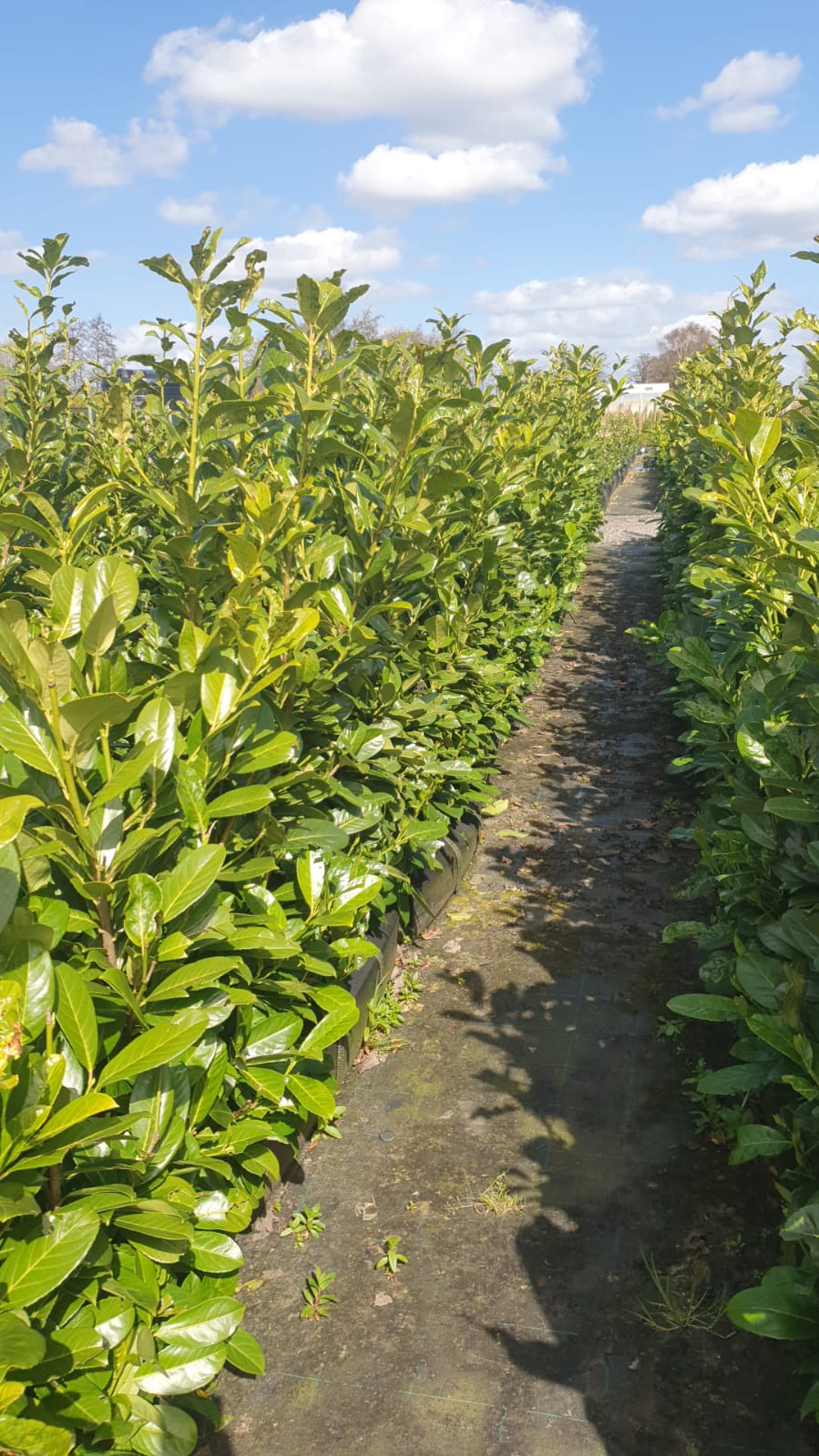
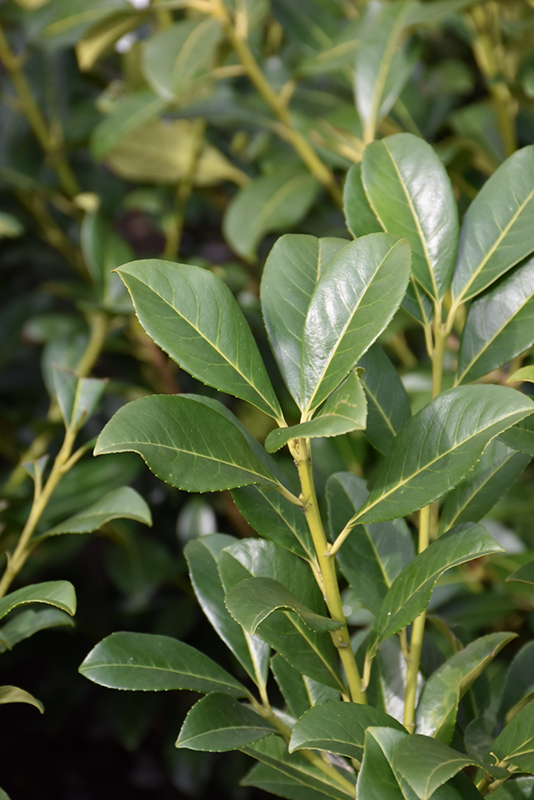
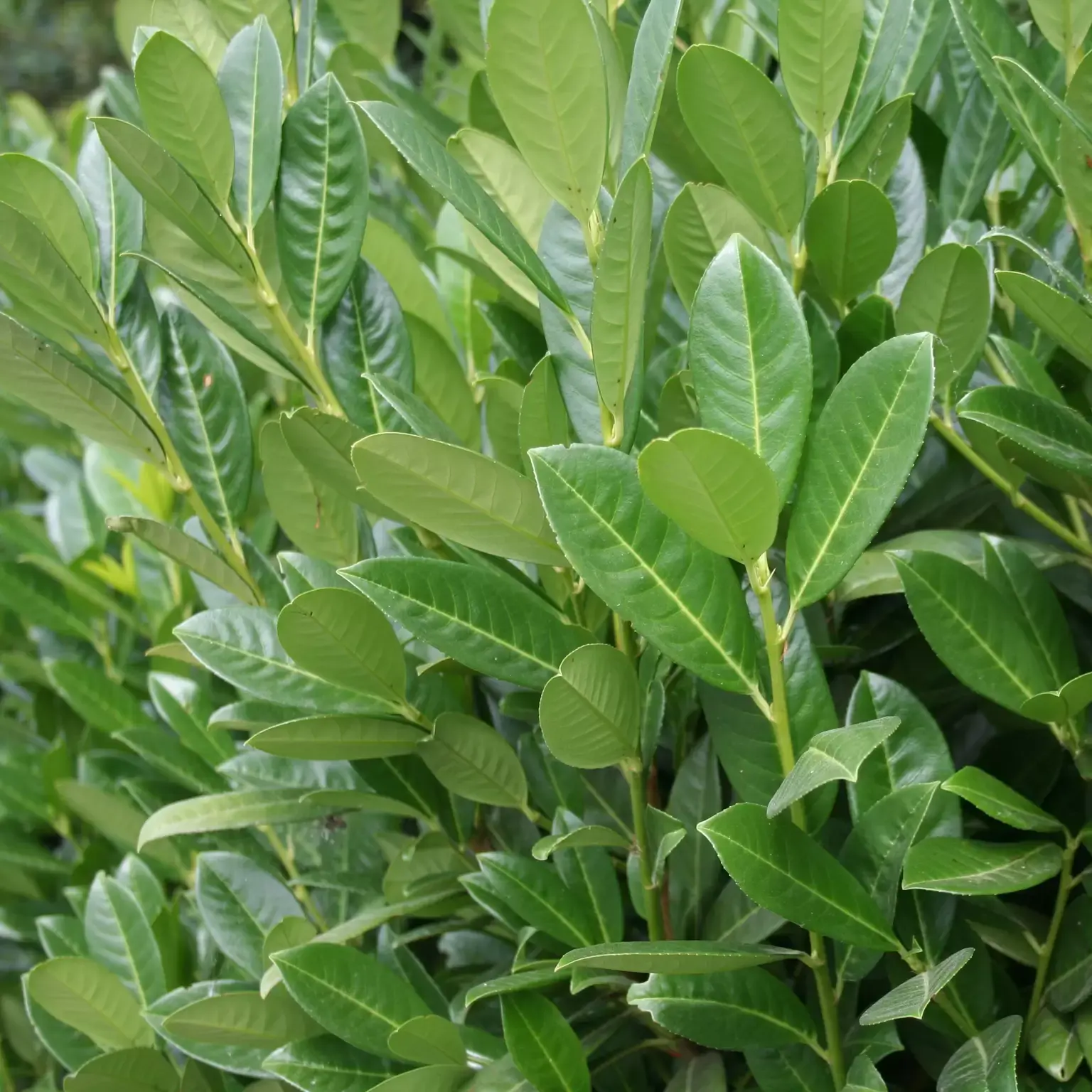
Cherry Laurel is the variety most people mean when they simply say “laurel hedge”. It is a strong, evergreen hedging plant with large, glossy green leaves and a naturally bushy growth habit. If you want a hedge that feels substantial, screens quickly and looks green all year, Cherry Laurel is often the first choice.
It is particularly popular for privacy hedging because it grows vigorously and fills out well, creating a thick barrier once established. The broad leaves give it a bold, lush appearance, which works especially well in larger gardens or anywhere you want a solid green backdrop.
Cherry Laurel is often chosen for:
privacy screening
boundary hedging
reducing the feeling of exposure
creating a dense evergreen divide
Because it grows quite strongly, it is best suited to spaces where it has room to develop or where regular trimming is not a problem.
Common Laurel
Portuguese Laurel
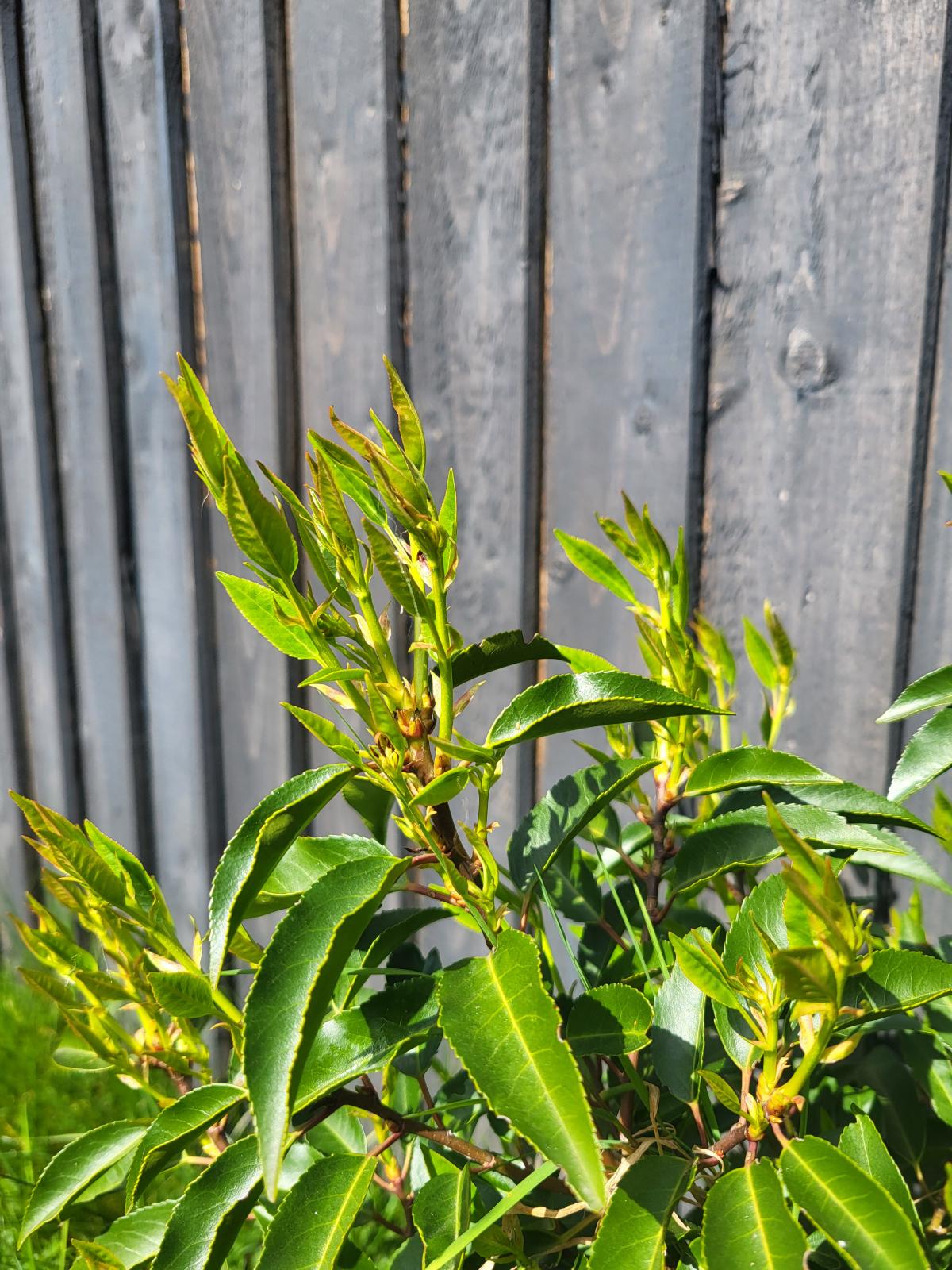
Portuguese Laurel is a more refined-looking alternative to Cherry Laurel. It has smaller, darker green leaves and attractive reddish stems, which give it a smarter and slightly more decorative finish. It still makes an excellent evergreen hedge, but the overall look is a little neater and more elegant.
This variety is often preferred in gardens where a formal or well-kept appearance is important. It clips well, responds well to shaping, and suits both traditional and contemporary spaces. If Cherry Laurel feels a little too bold for the setting, Portuguese Laurel is often the one people move towards.
Portuguese Laurel is a good option for:
formal hedging
elegant garden boundaries
evergreen privacy with a tidier look
gardens where leaf size matters aesthetically
It is a very popular choice for anyone wanting something dense and practical without losing that more polished appearance.
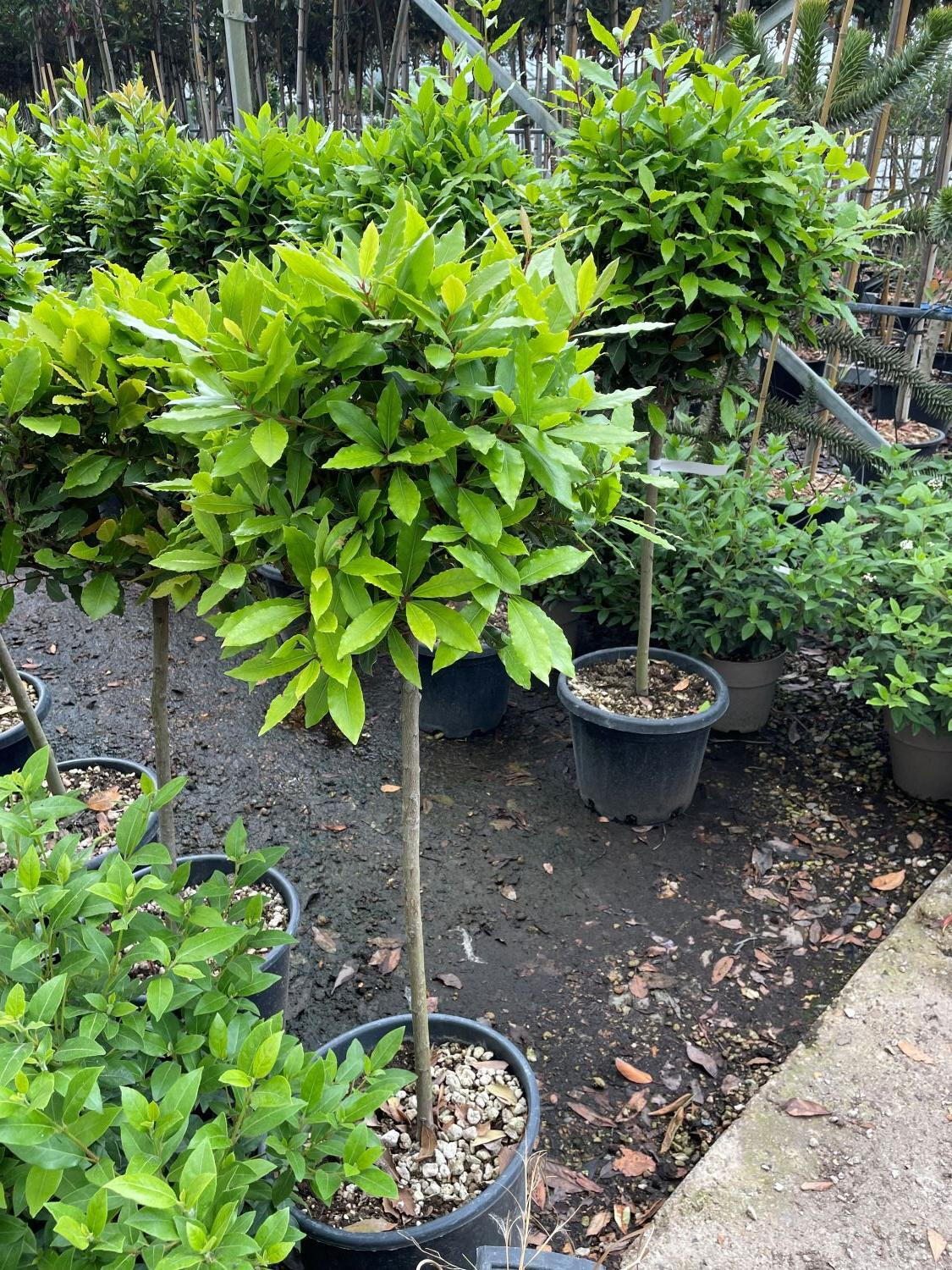
Bay Laurel is quite different from the other common hedging laurels. Best known for its aromatic culinary leaves, it can also be grown as an evergreen hedge where a more ornamental, Mediterranean feel is wanted. The leaves are smaller, more pointed, and more fragrant than those of Cherry or Portuguese Laurel, giving it a distinctive character.
As a hedge, Bay Laurel tends to feel more decorative than heavy-duty. It can be clipped into neat shapes and works well in sheltered gardens where appearance is just as important as screening. It is not usually the first choice for a large, fast-growing privacy hedge, but it can be a lovely option in the right setting.
Bay Laurel is often used for:
decorative evergreen hedging
formal clipped shapes
sheltered gardens
planting with a more classic or Mediterranean look
Spotted Laurel
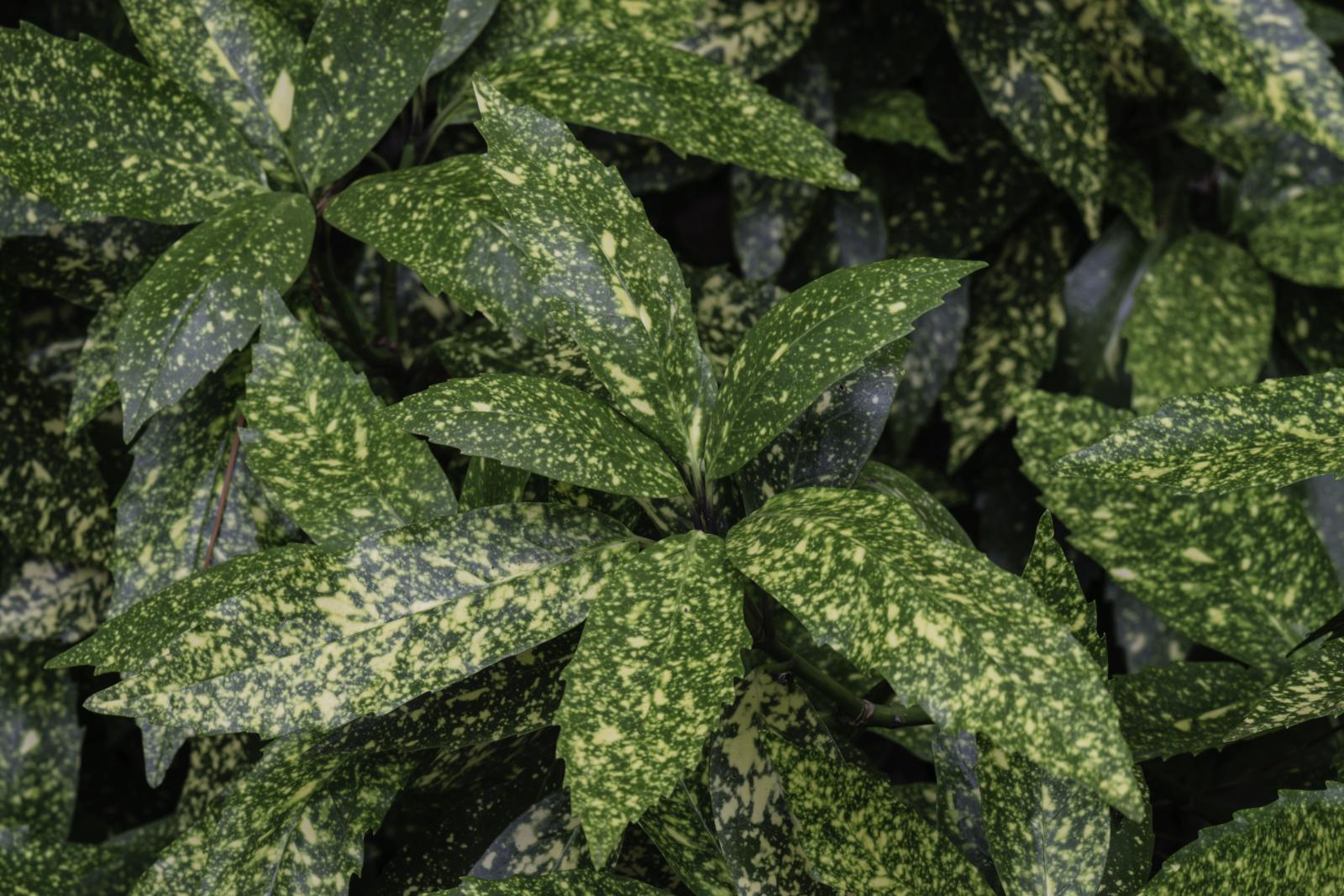
Spotted Laurel, also known as Aucuba, stands out from other laurel types because of its variegated foliage. Many varieties have green leaves flecked or splashed with yellow, which makes them far more ornamental than standard green hedging plants.
It is not usually grown as a tall, traditional privacy hedge in the same way as Cherry Laurel or Portuguese Laurel, but it can still be useful as evergreen screening in smaller areas. It is also a good choice where foliage colour and year-round interest are just as important as structure.
Spotted Laurel works particularly well for:
decorative evergreen planting
smaller boundary areas
shaded or sheltered spots
gardens that need year-round colour
If you want a laurel that offers visual interest as well as greenery, this is one to consider.
Compact Laurel
Not all laurel hedging needs to grow tall. Compact varieties, such as Otto Luyken, are far better suited to lower hedges and smaller gardens where a full-sized laurel would eventually become too large. These forms still offer evergreen coverage, but with a more restrained habit.
Compact Laurel is useful where you want structure and greenery without creating a tall screen. It can be used to edge spaces, define areas of the garden or provide a lower hedge that stays manageable with less heavy pruning.
Compact Laurel is ideal for:
low evergreen hedges
front gardens
smaller plots
borders and garden sections where height needs to be controlled
This is a good option for people who like the look of laurel but do not need a hedge that grows high or wide.
Upright Laurel
Some laurel varieties are bred or selected for a more upright shape. One of the best known is Caucasica, which has the strong evergreen qualities of Cherry Laurel but grows in a slightly slimmer, more vertical form. This makes it useful where the goal is privacy and height, but the planting area is not especially deep.
An upright laurel can give you the same dense, green finish associated with traditional laurel hedging, while taking up a little less lateral space as it matures. That can be particularly helpful in narrower gardens or along tighter boundaries.
Upright Laurel is often chosen for:
narrower planting spaces
tall screening
evergreen privacy where width is more limited
a slightly more vertical hedge line
Which Type of Laurel Is Best for Hedging?
There is no single “best” type of laurel for every garden. The right choice depends on the effect you want to create and how much space you have available.
If your priority is a fast-growing, dense screen, Cherry Laurel is usually the go-to option. If you want something more refined and ornamental, Portuguese Laurel is often the better fit. For lower hedges or smaller gardens, compact forms are usually more practical, while Bay Laurel and Spotted Laurel are better suited to decorative planting schemes than large-scale screening.
When choosing a laurel hedge, it is worth thinking about:
How tall you want the hedge to grow
How much width you can allow for it
whether you prefer a bold or more elegant look
How often you are happy to prune it
whether the hedge is mainly for privacy, structure or decoration
Starting with the right variety will make the hedge easier to manage and more successful in the long term.
Final Thoughts
Laurel hedging offers more variety than many people realise. From the broad, vigorous growth of Cherry Laurel to the neat elegance of Portuguese Laurel and the smaller-scale appeal of compact forms, there is a type of laurel to suit many different gardens.
Choosing the right one comes down to balancing appearance, size and purpose. Once you understand the main differences, it becomes much easier to select a laurel hedge that will work well in your space and continue to look good throughout the year.